
Welcome to Blogs
Discover actionable insights, in-depth research, and expert perspectives, all in one place.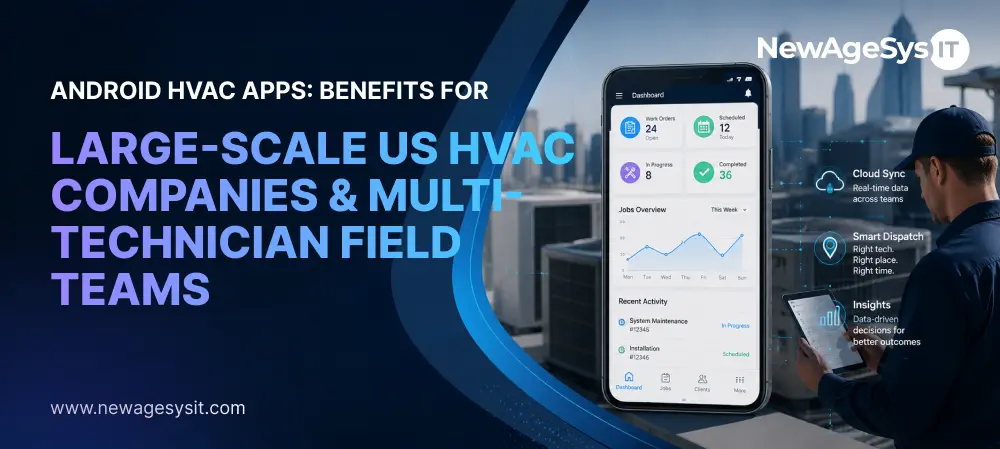
HVAC 5 min read
Android HVAC Apps: Benefits for Large-Scale US HVAC Companies & Multi-Technician Field Teams

| This article is part of our series on Android vs iOS for HVAC Apps in the USA: Choosing the Right Platform in 2026 |
Android HVAC app USA adoption is increasingly important for large HVAC companies managing multi-technician field teams. Many HVAC technicians use Android devices, making platform coverage essential for technician-facing applications. This broad workforce reach makes Android a strategic choice for field mobility initiatives.
Large HVAC organizations also benefit from Android’s flexible device management capabilities. Android Enterprise supports company-managed devices across technicians, service regions, and operational teams. Lower hardware costs can also simplify large-scale fleet deployments.
Businesses investing in custom HVAC app development often evaluate Android as part of their field technology strategy. Many organizations also combine mobility initiatives with custom HVAC software and CRM development services to improve coordination across technicians, dispatchers, and managers.
In this guide, we explore the key benefits Android offers large-scale US HVAC companies and multi-technician field operations.
Why Android Reaches the HVAC Technician Market That iOS Misses?
HVAC workforce demographics differ significantly from those of many office-based industries. Technician teams often include employees across different experience levels, service specialties, and device preferences. These workforce characteristics make Android support especially important for large HVAC companies seeking broad technician adoption.
- Trade Worker Device Distribution: HVAC technicians, electricians, and plumbers often show stronger Android ownership than professional services workers. An iOS-only technician app may exclude part of the workforce.
- Commercial HVAC and Refrigeration Technicians: Commercial refrigeration and industrial HVAC technicians frequently use older-model or lower-cost Android devices. This is often where iOS-only applications create the most friction.
- Entry-Level Technician Onboarding: Many new technicians entering through trade schools and apprenticeship programs already use Android devices. Supporting Android helps reduce onboarding barriers.
- Fleet Device Procurement: HVAC companies benefit from Android’s broader hardware price range. Suitable devices are available from roughly $150–$400, while iOS devices typically start at higher price points.
- HVAC Service Franchise Networks: Multi-location franchise operations managing hundreds of technicians nationwide cannot assume iOS uniformity. Android support accommodates diverse device environments across distributed teams.
Android Technical Advantages for HVAC Field Apps
Android provides several technical capabilities that align well with HVAC field operations. Organizations investing in Android app development often prioritize features that support technician productivity, compliance workflows, and large-scale device management.
1. Offline Architecture for HVAC Field Work
Android supports reliable offline work order completion and EPA refrigerant log capture in low-connectivity environments. Background services help synchronize data when connectivity returns. Android Keystore also protects refrigerant logs and work orders through hardware-backed encryption. Android NFC capabilities allow technicians to tap equipment tags and instantly access service histories, which is useful for commercial properties with many units.
2. Android Enterprise for Fleet Deployment
Android Enterprise supports centralized device management across technician fleets. Teams can standardize app installation, enforce security policies, remotely wipe devices, and manage company-issued hardware. Android kiosk mode also secures web application development services, office tablets used for customer intake, agreement signing, and payments.
3. Hardware Flexibility for HVAC Field Use
Android offers rugged devices designed for demanding field environments, including protection against drops, dust, and moisture. The platform also provides larger-screen device options preferred by some technicians for reviewing and completing detailed work orders.
Platform selection also affects development budgets, long-term maintenance, and deployment planning. Android HVAC app cost ranges are covered in HVAC App Cost by Platform in the USA.
EPA Refrigerant Logging on Android
EPA refrigerant records are often captured in locations where connectivity is unreliable. Organizations investing in custom mobile app development services frequently design Android applications that support secure and reliable EPA compliance workflows in the field.
- Android Offline EPA Logging: Android Work Manager helps synchronize EPA refrigerant records when connectivity returns after work in basements, attics, mechanical rooms, and other low-connectivity environments. EPA Section 608 records must maintain data integrity throughout the offline-to-sync process.
- Android Keystore for EPA Data Integrity: Android Keystore can cryptographically sign refrigerant records at the point of entry, creating tamper-evident compliance records before synchronization occurs.
- Battery Optimization for Extended HVAC Jobs: Android Doze mode can interrupt background processes during long service sessions. Applications must explicitly handle battery optimization restrictions to ensure reliable synchronization of EPA compliance records.
- Technician EPA Certification Validation: Android applications can validate a technician’s EPA 608 certification type before refrigerant quantity entry, helping prevent uncertified refrigerant logging.
Compliance Note: EPA Section 608 refrigerant records on Android must maintain data integrity during offline sync. Because Android Doze mode can interrupt background processes, EPA compliance data synchronization should be designed to remain reliable when connectivity resumes.
When to Choose Android-First for HVAC Apps?
Platform strategy should align with technician device preferences, deployment requirements, and future business goals. Organizations evaluating custom software development services should consider both current workforce needs and long-term platform coverage.
- Choose Android-First When: HVAC companies issue company-managed devices to technicians. Android Enterprise MDM capabilities often make large-scale device provisioning, management, and replacement more cost-effective.
- Choose Android and iOS Together When: Consumer-facing HVAC apps or technician applications support mixed-device teams. Simultaneous deployment helps avoid platform limitations for customers and field staff.
- Android-First for Commercial HVAC: Commercial refrigeration and industrial HVAC teams often have stronger Android representation than residential service organizations.
- Plan iOS Within 12 Months: Even when starting with Android, businesses should maintain an iOS roadmap. Customer-facing applications, management dashboards, and executive users frequently benefit from broader iOS coverage.
For teams needing both platforms simultaneously, cross-platform HVAC app development is often the right approach. This topic is covered in Cross-Platform HVAC Apps: When Flutter/React Native Makes Sense for US HVAC Businesses.
Final Thoughts
Android remains an essential platform for HVAC businesses managing multi-technician teams, company-managed devices, and commercial or industrial service operations. Large HVAC companies and commercial contractors often benefit from an Android-first approach. Robust offline EPA logging, fleet MDM, and reliable background sync help support technician-demographic coverage, field compliance, and technician productivity.
If your HVAC company operates a large technician team or deploys company-managed devices, an Android-first strategy may be worth considering. Fleet MDM, offline EPA compliance logging, and Work Manager background sync can deliver the coverage and reliability that field operations require. Learn more about digital transformation solutions from one of the leading AI software companies in the United States.
Core Development
Keep exploring the custom services.

AI Software Development
Custom AI Software Development
Build intelligent, production-ready software from machine-learning models to AI-driven automation designed around your business goals.
Learn more
Mobile App Development
Custom Mobile Application Development
Native and cross-platform mobile apps that are fast, secure, and built to scale across iOS and Android.
Learn more
Web App Development
Custom Web Application Development
Scalable, secure web applications, from customer portals to complex dashboards, tailored to how your business actually works.
Learn more



