

Guaranteed Expert Consultation Within 1 Hour. Click Here!

Guaranteed Expert Consultation Within 1 Hour. Click Here!

Mobile Gaming Application Development Services in New Jersey, USA

Launch secure, high-performance iOS & Android apps built to grow your business — delivered by a proven & dedicated US-based development team.

500+

Apps
Delivered

15+

Years
Experience

NDA Badge
USA-Based

Project Management

Built for Startups. Trusted by Enterprises.
Designed to Scale from Day One.

Get a quick expert response within 1 hour.

Name is required.

Please enter a valid email address.

Phone number is required.

Please describe your project idea.

Your idea is fully secured under our NDA & Confidentiality policy.

Trusted by startups and enterprises across multiple industries.

5 Star on Clutch
30+
Years Experience
100+
Projects Delivered
#1
App Developer NJ, FL, NY
Mobile Game Development

End-to-End Mobile Game Engineering for iOS and Android

Mobile gaming application development is the engineering of custom mobile games for iOS and Android. It covers casual and hyper-casual games, mid-core strategy games, real-time multiplayer games, AR games, educational games, and gamified apps. It uses Unity, Unreal Engine, and native iOS and Android frameworks.

This page covers games as the core product. Gamified apps, where game mechanics drive the primary user experience, are also in scope.

Scope

Five game categories define the scope

Five game categories define the scope of this page. They are casual and hyper-casual games, mid-core and strategy games, and real-time multiplayer games. They also include AR mobile games and educational and gamified apps.

What Drives Engagements

Four outcomes drive every engagement

Four outcomes drive every engagement. These are App Store publication, monetization infrastructure, real-time multiplayer at scale, and analytics tracking retention and ARPU.

Who Buys

Four buyer audiences

Mobile gaming app development serves four buyer audiences. This includes Indie game founders, game studio entrepreneurs, brands building gamified apps, and EdTech companies building educational games.

NewAgeSysIT is a mobile game development company serving the US market. We engineer commercial-grade mobile games for iOS and Android from the first build.

Unity, Unreal Engine, Apple ARKit, Google ARCore, Firebase, Photon, and PlayFab form the foundation of every production build.

Got Problems? Let Us Help You With the Right Solution

Definition

What is Custom Mobile Game Development?

The Practice

Custom mobile game development involves engineering a game around a specific gameplay loop, art style, and target player audience. It is distinct from no-code tools like GameSalad or GDevelop. It is distinct from reskinning a game template. A custom game is engineered for performance on iOS and Android hardware from the first build.

Not A Template

Custom game development is not reskinning a game from the Unity Asset Store. It is not a no-code output from GameSalad or GDevelop. It is also not a web game running inside a WebView container. Every approach produces a game that fails real-world performance benchmarks.

Decision Drivers

Four core reasons drive buyers toward custom game development

01 Reason 01

Gameplay Originality

A custom game is built around a unique core loop. No template can deliver mechanics that feel genuinely new to players. Original gameplay is the primary driver of both organic UA and consideration of App Store features.


02 Reason 02

Performance Optimization

Custom games are profiled for the target device range. No-code output routinely fails to meet performance benchmarks on mid-range Android devices. Frame pacing issues cause player churn within the first session.

03 Reason 03

Monetization Architecture

IAP, ad mediation, battle pass systems, and live operations require purpose-built engineering. Game templates do not include them. Monetization cannot be bolted on after launch without architectural rework.

04 Reason 04

Live Service Capability

Custom games are built for post-launch updates, seasonal events, and balance patches. They require no architectural rework. Live service delivery is the core driver of long-term ARPU growth.

Three primary commercial outcomes follow from custom development: App Store feature potential, higher player LTV, and scalable live service delivery.

Comparison

Unity vs Unreal Engine vs Native iOS and Android Game Development

Unity is the dominant mobile game engine for indie games. It covers iOS and Android from one C# codebase. Unreal Engine delivers console-quality 3D visuals, but at a higher cost. Native iOS and Android deliver maximum performance on their respective platforms. The right engine depends on game genre, visual fidelity, and budget.

Engine choice is a technical and commercial decision. It determines development cost, team requirements, device compatibility, and long-term update cost. No single engine is universally superior. The table below compares Unity, Unreal Engine, and native iOS/Android across six criteria.

Criteria Unity Unreal Engine Native iOS / Android
LanguageC#C++Swift / Kotlin
Platform CoverageiOS + Android (one codebase)iOS, Android, PC, ConsoleSingle platform per codebase
Graphics CeilingHigh (URP / HDRP)Console-grade (Nanite / Lumen)Platform-maximum
Mid-Range AndroidExcellentDemandingExcellent
Asset Store DepthExtensiveModerateNone
Typical Use CaseIndie, casual, AR gamesHigh-fidelity 3D, AAAPlatform-specific, AR Metal
Office

Estimate Your App Development
Cost in Seconds

Discover your project budget with our interactive AI-powered app cost calculator.

Decision Framework

When Is Unity the Right Engine for Your Mobile Game?

Unity is the correct technical choice in four scenarios.

Indie games targeting iOS and Android simultaneously

Unity's C# codebase supports both platforms in a single codebase. One team ships to both stores without platform-specific rewrites. This eliminates the overhead of maintaining two separate codebases.

Casual, hyper-casual, and mid-core games

Unity's Universal Render Pipeline delivers polished visuals on mid-range Android at 60fps. Unreal-level GPU requirements are not necessary for this genre. Battery and thermal performance are far easier to manage.

Games requiring rapid prototyping

Unity's hot reload and the large Asset Store significantly reduce prototype-to-launch time. Unreal and native development cannot match this prototyping speed. Core loop validation can be completed weeks earlier.

Games with AR features

Unity's AR Foundation wraps ARKit and ARCore into a single cross-platform API. One codebase supports AR on both iOS and Android simultaneously. It doesn't need to maintain a platform-specific AR code.

Honest Guidance

When is Unreal Engine or Native Development the Right Choice?

Unreal Engine or native development is the right choice in four scenarios.

1

High-fidelity 3D games targeting premium iPhone

Unreal Engine 5 Nanite and Lumen deliver console-adjacent visuals on iPhone 15 Pro. The visual ceiling exceeds Unity on high-end hardware. This is the only scenario where Unreal's higher cost is justified on mobile.

2

Games targeting PC and console with a mobile companion

Unreal Engine C++ supports mobile, PC, and console from a single codebase. No other engine can match this for multi-platform studios.

3

Hyper-performance games on low-end Android

Native Kotlin with Vulkan delivers the lowest CPU overhead for frame-critical experiences. Unity's C# garbage collector introduces frame pacing variance. For sub-16ms frame budgets, native is the only safe choice.

4

AR experiences requiring Metal API access

Native Swift and Metal deliver direct GPU access for custom AR rendering pipelines. Unity's abstraction cannot provide this level of hardware access. Platform-specific AR work needs native development. NewAgeSysIT delivers all three approaches.

Buyer Audiences

Who Needs Custom Mobile Game Development Services?

Custom mobile game development serves four distinct US buyer profiles. Each has a specific game product requirement. No-code builders and generic app agencies cannot deliver at the performance and monetization standards required.

NewAgeSysIT delivers custom mobile game development across all four buyer profiles below.

Profile · 01
01

Indie Game Founders and Game Studio Entrepreneurs

Indie founders and early-stage studios with an original game concept need a Unity or Unreal engineering partner. They need engineers who understand core loop design, game feel, and App Store submission mechanics.

Investor firms such as a16z Games and Maker Fund evaluate mobile game startups. The evaluation is made at Day 1, Day 7, and Day 30 retention. These metrics require purpose-built analytics integration from launch. A spreadsheet is not sufficient for investor-grade reporting. Firebase, GameAnalytics, and AppsFlyer must be wired in before soft launch.

Profile · 02
02

Brands and Enterprises Building Gamified Applications

Consumer brands, financial services companies, fitness apps, and retail organizations build gamified experiences. Examples include a banking app with a savings-challenge game and a retail loyalty programme with collectible-reward games.

Gamified apps use game mechanics with points, levels, streaks, and leaderboards. This drives user behavior in a non-game product. Game reward mechanics integrate with enterprise analytics stacks including Amplitude and Segment.

The Unity game loop and reward mechanics must integrate with the brand's existing backend and user data. Generic mobile agencies cannot deliver it. NewAgeSysIT engineers the integration between game mechanics and enterprise backend infrastructure.

Profile · 03
03

EdTech Companies Building Educational Games

EdTech companies build mobile games for K-12 and higher education. Game mechanics teach curriculum content. The game must balance high engagement with measurable learning outcomes through curriculum alignment, adaptive difficulty, and progress tracking. Games for children under 13 must comply with COPPA.

Games deployed in K-12 school settings must also comply with FERPA data handling requirements. Both require ad-free experiences and specific restrictions on data collection. Distribution via Google Play for Education and Apple School Manager requires additional compliance configuration.

Profile · 04
04

Game Studios Scaling Existing Games with New Features

Existing studios with published mobile games need features that their current team cannot deliver. Examples include adding real-time multiplayer to a single-player game or integrating a new monetization model. A wrong engine update can break a game for a million players overnight.

NewAgeSysIT integrates with existing Unity or Unreal codebases and supports a structured QA and release process. NewAgeSysIT delivers all changes on feature branches with full regression testing before any live deployment.

Speak With Our AI Software Consultant Partners

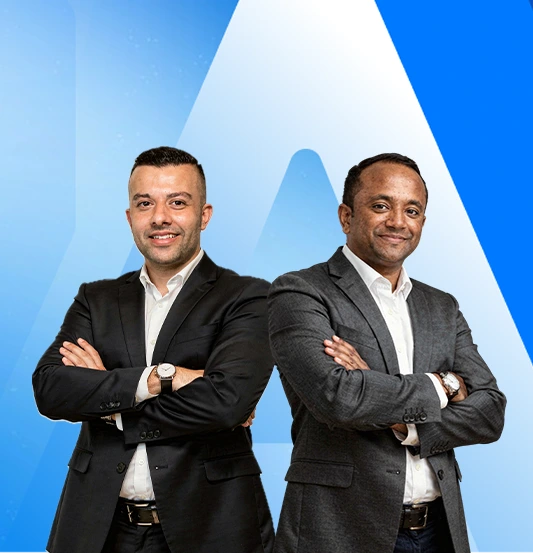
Get expert guidance before you invest in AI software development. Work directly with Giovanni and Bibin to validate your technology direction, align AI with business goals, and make confident decisions that reduce risk and accelerate outcomes.

Request a Strategic Consultation
Consultant Partners
Six Service Tracks

Mobile Game Development Services We Provide

NewAgeSysIT delivers across six game development tracks. These are casual games, mid-core games, multiplayer games, AR games, educational apps, and live operations. All six tracks target iOS and Android, with submissions to the App Store and Google Play.

These services build games engineered for commercial release. They are not game concept consulting, design-only services, or game art production. All six tracks are available independently or as part of a full game launch engagement.

Track · 01
Flagship

Casual and Hyper-Casual Mobile Game Development

Casual and hyper-casual game development runs in Unity. It covers one-tap core loop design, procedurally generated levels, hyper-casual physics simulations, and ad-driven monetization. AppLovin MAX or ironSource LevelPlay execute these placements.

Hyper-casual games target sub-30-second sessions and Day 1 retention above 40 percent. Core loop clarity determines CPI and Day 1 retention; both are set before art is added.

NewAgeSysIT engineers the core loop to pass the 15-second player test first. This prevents the most expensive failure mode in hyper-casual development. Coverage includes ad mediation, GameAnalytics integration, and IARC age rating submission.

Track · 02

Mid-Core and Strategy Mobile Game Development

Mid-core and strategy game development covers strategy mechanics, progression systems, levels, skill trees, meta-game design, and IAP economy design. Mid-core games also require carefully balanced and complex in-game economies.

Resource production, spending sinks, and free-to-play balance must be modeled before writing any code. An unbalanced economy destroys Day 7 and Day 30 retention.

NewAgeSysIT models the in-game economy before engineering any system. Coverage includes IAP via StoreKit 2 and Google Play Billing, and battle pass architecture. It also incorporates PlayFab or Firebase Remote Config, and seasonal event infrastructure.

Track · 03

Real-Time Multiplayer and Social Mobile Game Development

Real-time multiplayer game development encompasses client-server architecture, game state synchronization, lag compensation, matchmaking, leaderboards, and in-game social features. Multiplayer games require server-side game state authority.

Client-side-only multiplayer is vulnerable to cheating. A server-authoritative architecture validates all actions before propagating state to clients. No game template can provide it.

NewAgeSysIT builds server-authoritative multiplayer with Photon Fusion 2 or a custom Node.js game server on AWS. Coverage includes WebSocket sync, Redis leaderboards, PlayFab matchmaking, and in-game voice chat via Agora.

Track · 04

Augmented Reality Mobile Game Development

AR game development targets iOS and Android. Coverage includes world-scale AR using ARKit and ARCore, image tracking, plane detection, and location-based AR via GPS and Google Maps.

AR game development needs hardware calibration experience that standard game development does not cover. Lighting estimation, occlusion, world origin persistence, and device thermal management are AR-specific engineering challenges.

NewAgeSysIT builds AR games that perform across iPhone SE through iPhone 16 Pro and pass Apple's AR content guidelines. Coverage includes ARKit 6, ARCore 1.40, Unity AR Foundation, and Niantic Lightship ARDK.

Track · 05

Educational and Gamified Application Development

Educational games and gamified apps require curriculum-aligned game design, adaptive difficulty, and learning progress tracking. They also demand COPPA-compliant data handling for children under 13.

Educational games must balance two competing requirements: high engagement and learning efficacy. Generic game templates optimize only for engagement.

NewAgeSysIT designs the game-learning loop with the client's curriculum team before engineering begins. Coverage includes adaptive difficulty algorithms, teacher and parent dashboards, and COPPA-compliant data collection. It also covers Google Play for Education and Apple School Manager distribution, and game loop analytics.

Track · 06

Game Live Operations, Feature Development, and Engine Migration

Post-launch services cover seasonal events, balance patches, content drops, multiplayer additions, Unity LTS upgrades, and engine migration.

Live game work starts with a codebase audit. A wrong Unity upgrade can break thousands of player save files.

NewAgeSysIT identifies breaking change risks before implementation. Changes are delivered on feature branches with full regression testing. Coverage includes codebase audit, Unity LTS migration, PlayFab or Firebase Remote Config integration. It also includes CI/CD setup via GitHub Actions and Fastlane.

Want to stand out in the fast-growing mobile gaming market?

You need a strategic partner to build high-performance, cross-platform mobile games that deliver immersive, engaging experiences players return to every day.

Get our Mobile Game Development Services
Production-Grade

Core Features of a Production-Grade Mobile Game

A production-grade mobile game combines a polished core loop, server-validated progression, balanced monetization, and a game analytics pipeline. It meets App Store and Google Play technical requirements: 60fps on target devices, sub-3-second cold launch, and IARC rating compliance.

The four feature categories below determine Day 1 retention, Day 30 retention, ARPU, and App Store rating.

01
Feature 01

Core Gameplay Loop, Performance, and UX Features

Core loop clarity: The primary game action must be learnable in under 10 seconds. Tutorial design teaches through play rather than text. Day 1 retention above 35 percent needs a frictionless onboarding loop.

60fps rendering: Unity Universal Render Pipeline is configured for 60fps on iPhone SE and mid-range Android (Snapdragon 695). Xcode Instruments and Android GPU Inspector validate frame pacing on physical devices.

Cold launch time: Sub-3-second cold launch meets App Store and Google Play quality benchmarks. Asset bundles load asynchronously. Heavy assets load in the background after first player interaction.

Haptic feedback: iOS CoreHaptics delivers fine-grained tactile feedback on impact, success, and failure events. Android Vibrator API manages haptics on older devices. Haptic intensity is calibrated based on event type.

Accessibility: Adjustable text size, color-blind mode that covers deuteranopia, protanopia, and tritanopia, and pause on battery-critical notifications are required. NewAgeSysIT enforces App Store accessibility guidelines before submission.

Save and progression persistence: Cloud save uses Apple Game Center or Google Play Games Services. Local binary save serves as a fallback when the network is unavailable. Save state corruption is the major cause of one-star App Store reviews.

02
Feature 02

Monetization, In-App Purchases, and Ad Integration Features

IAP catalogue: Consumables, non-consumables, and subscriptions are implemented via StoreKit 2 and Google Play Billing 6. RevenueCat unifies cross-platform purchase management in one dashboard.

Battle pass: Seasonal 30 to 60 day passes include free and premium tracks. Daily and weekly challenges award pass XP. Expiry timers drive urgency purchasing at the end of each season.

Ad mediation: AppLovin MAX or ironSource LevelPlay handles rewarded video, interstitial, and banner ads. Waterfall and bidding configuration maximises eCPM. Ad frequency capping prevents player fatigue and negative reviews.

Soft and hard currency economy: Soft currency is earned through gameplay. Hard currency is purchased via IAP or earned slowly through completion milestones. Economy spreadsheet modeling targets IAP conversion above 2 percent before writing a single line of code.

Starter packs and time-limited offers: First-time purchase offers at 80 percent discount are triggered at the moment of first resource scarcity. Time-limited sale banners create urgency on the main menu.

Live operations sale events: Seasonal events are configured via Firebase Remote Config or PlayFab without an app store update. Black Friday and anniversary events deliver 2x to 5x revenue spikes in treated cohorts.

03
Feature 03

Multiplayer, Social, and Backend Infrastructure Features

Real-time multiplayer: Photon Fusion 2 handles rollback netcode multiplayer. Photon Quantum covers deterministic simulation multiplayer. Both support up to 200 concurrent players per room with WebSocket reconnection on mobile network switching.

Asynchronous multiplayer: Turn-based multiplayer runs via Apple Game Center or a custom REST API. Players take turns without a real-time connection. This model suits card games, chess, and strategy titles.

Leaderboards: Global and friend leaderboards use Apple Game Center, Google Play Games Services, or a custom Redis sorted set service. Weekly resets and seasonal leaderboard variants are supported out of the box.

Player authentication: Guest play requires no login. Apple Sign-In and Google Sign-In handle account creation. Account linking transfers guest progress to a permanent account on first sign-in.

Push notifications: Firebase Cloud Messaging delivers game events such as lives refilled, building complete, and friend challenges. Smart timing is based on the player's last active session. Opt-out management is required for iOS and Android compliance.

Cloud gaming backend: PlayFab or AWS GameLift handles server-authoritative multiplayer. Player data storage, economy management, A/B testing, and live operations run via PlayFab CloudScript.

04
Feature 04

Game Analytics, UA Attribution, and Live Operations Features

Game analytics: GameAnalytics or Firebase Analytics tracks key events. The events span across the session start, level start, level complete, and level fail. The other key events include IAP triggered, IAP converted, ad shown, and ad clicked. Day 1, Day 7, and Day 30 retention reports are generated automatically.

UA attribution: AppsFlyer or Adjust handles install attribution and campaign ROAS tracking. SKAdNetwork 4.0 supports iOS 14.5 and later. Deep link integration manages deferred deep linking from UA campaigns.

A/B testing: Firebase A/B Testing or PlayFab runs experiments on monetization offers, difficulty tuning, and onboarding flow optimization. Statistical significance thresholds are configured before each test begins.

Churn prediction: An AWS SageMaker model scores each player's 7-day churn probability from session frequency and progression signals. At-risk players receive targeted save offers via Firebase push notification. The measurable outcome is a 15 to 25 percent churn reduction in treated cohorts.

Crash and ANR monitoring: Firebase Crashlytics reports crashes on iOS and Android. Google Play Android Vitals tracks ANR rates at the device level. The crash rate target is below 0.5 percent for store compliance.

Live operations dashboard: Operators configure IAP prices, seasonal events, push campaigns, and A/B tests without an app release. The dashboard is built on PlayFab or a custom React admin panel.

Real Results

How We Helped Top US Brands in Build Winning Mobile Apps

Applied Intelligence

AI in Mobile Game Development

AI in mobile game development serves two purposes. First, procedural content generation and NPC behavior use ML models trained on gameplay data. Second, player analytics and churn prediction utilize ML models trained on session and progression data. AI does not replace game designers. It scales content production and sharpens player retention mechanics.

Five AI applications are in active use across NewAgeSysIT game builds.

Procedural level generation

A generative model trained on hand-crafted levels produces infinite level variants at designer quality. This applies to endless runners, puzzle games, and roguelikes. Implementation uses Python with a variational autoencoder integrated with Unity via a lightweight REST API on AWS Lambda.

Adaptive difficulty

An ML model adjusts difficulty in real time based on player error rate, completion time, and retry count. Difficulty decreases immediately for frustrated players. Difficulty increases for players progressing easily. Inference runs via AWS Lambda at sub-100ms latency.

NPC behavior with Unity ML-Agents

ML-Agents trains NPC opponents with reinforcement learning. The resulting AI plays at a human-like level without scripted rules. This is used for training opponents in strategy games and sports simulations.

Churn prediction and save offer targeting

Each player's 7-day churn probability is scored from session frequency and progression signals using an AWS SageMaker model. At-risk players receive targeted save offers via Firebase push notification. The measurable outcome is 15 to 25 percent churn reduction versus control.

AI-generated game art

Stable Diffusion and Midjourney generate concept art, texture variations, and UI icon variants at prototype speed. Production art is refined by human artists. Prototype-to-playable time is reduced by 40 to 60 percent without sacrificing art quality.

AI is a development acceleration and retention optimization tool. It does not replace human game designers at any stage of production.

Curious to Know How Much Your Mobile Game Development Costs?

With our latest app cost calculator, you can get the estimated mobile game development cost for your project before you get started.

Calculate How Much Your Dream App Costs
Third-Party SDKs

Mobile Game Integrations and Third-Party SDK Development

Production mobile games integrate analytics platforms, ad mediation networks, payment processors, multiplayer backends, crash reporting tools, and UA attribution SDKs. Each SDK adds APK or IPA size, startup time, and privacy label obligations. SDK selection is an architectural decision made at Stage 1, not at launch.

01
01

Analytics and Attribution

GameAnalytics monitors in-game events including levels, IAP, and ad events. Firebase Analytics provides a supplementary analytics layer. AppsFlyer delivers UA campaign attribution with SKAdNetwork 4.0 iOS support. Adjust acts as an alternative attribution provider. AppMetrica covers markets where AppsFlyer has limitations.

02
02

Monetization and Payments

Apple StoreKit 2 manages iOS IAP and subscriptions. Google Play Billing Library 6 covers Android IAP. RevenueCat handles cross-platform purchases in one layer. AppLovin MAX serves rewarded video, interstitial, and banner ad mediation. ironSource LevelPlay is the alternative ad mediation network. AdColony and Unity Ads serve as additional demand sources.

03
03

Multiplayer and Backend

Photon Fusion 2 supports real-time rollback multiplayer for up to 200 players per room. Photon Quantum handles deterministic simulation multiplayer. PlayFab manages player data, economy, live operations, and A/B testing. AWS GameLift hosts dedicated game servers. Agora provides real-time voice chat. Firebase Realtime Database stores asynchronous game state.

04
04

Authentication and Social

Apple Game Center covers iOS leaderboards, achievements, and multiplayer matchmaking. Google Play Games Services covers Android equivalents. Apple Sign-In is mandatory for apps offering social login on iOS. Google Sign-In handles Android account linking. Facebook Login enables friend leaderboards and viral sharing features.

05
05

Crash Reporting and CI/CD

Firebase Crashlytics reports crashes and ANRs on iOS and Android. Google Play Android Vitals tracks device-level performance. Xcode Instruments and Android Profiler handle frame time profiling. GitHub Actions and Fastlane run automated game builds and App Store delivery pipelines.

SDK count must be reviewed before App Store submission. Every third-party SDK must be declared in the iOS privacy manifest from iOS 17 onwards.

Technology Stack

Technology Stack for Mobile Game Development

NewAgeSysIT builds mobile games in Unity for casual, mid-core, and AR titles, and in Unreal Engine for high-fidelity 3D experiences. Native Swift and Kotlin are used for platform-specific features requiring direct hardware access. Engine selection is confirmed in Stage 1 after reviewing game genre, visual fidelity target, and device range.

Layer Technologies
Primary Game EngineUnity 2023 LTS · Unreal Engine 5
Secondary EnginesCocos2D (2D casual) · Godot (indie, open source)
Programming LanguageC# (Unity) · C++ (Unreal) · Swift (iOS native) · Kotlin (Android native)
Rendering PipelineUnity Universal Render Pipeline · Unity HDRP · Unreal Lumen and Nanite
AR FrameworkUnity AR Foundation · Apple ARKit 6 · Google ARCore 1.40 · Niantic Lightship ARDK
MultiplayerPhoton Fusion 2 · Photon Quantum · AWS GameLift · Mirror Networking · Fish-Net
Game BackendPlayFab · Firebase (Realtime Database, Remote Config) · AWS (EC2, Lambda, DynamoDB)
AnalyticsGameAnalytics · Firebase Analytics · Amplitude · Mixpanel
Crash ReportingFirebase Crashlytics · Sentry · Google Play Android Vitals
Ad MediationAppLovin MAX · ironSource LevelPlay · Unity Ads · AdMob
IAP and SubscriptionsApple StoreKit 2 · Google Play Billing 6 · RevenueCat
AttributionAppsFlyer · Adjust · SKAdNetwork 4.0 · Branch
AuthenticationApple Game Center · Google Play Games Services · Firebase Auth
AI and MLUnity ML-Agents · AWS SageMaker · OpenAI API · Stable Diffusion
CI/CDGitHub Actions · Fastlane · Unity Cloud Build · Codemagic
Version ControlGit · GitHub · Plastic SCM (large binary asset projects)

Game backends run on AWS with auto-scaling for peak player load during live events. Redis and PlayFab manage real-time leaderboard and player data at millions of concurrent sessions. Stack selection is confirmed after defining genre, device target, and multiplayer requirements.

Compliance & Privacy

Mobile Game Compliance, App Store Ratings, and Privacy Requirements

Mobile games face a layered compliance environment. Requirements include IARC content ratings, COPPA for children under 13, and App Store privacy labels for embedded SDKs. GDPR and CCPA cover player data. Loot box disclosure applies in Belgium and the Netherlands.

Five compliance components apply to every mobile game build.

IARC Content Rating

App Store and Google Play require IARC ratings. The questionnaire covers violence, sexual content, gambling, fear, language, and social interaction. An incorrect IARC rating leads to store rejection. Games with loot box mechanics are often rated 12 or above in EU markets.

COPPA for Games Targeting Children

Google Play Designed for Families covers games rated 6 and above. No behavioral advertising is permitted. Only COPPA-compliant ad networks may be utilized. Firebase Analytics must be configured with COPPA consent flags. Apple requires age rating 4 plus with no social interaction for children's games.

iOS Privacy Manifests and Labels

Apple requires accurate privacy label declarations for collecting every data type. All third-party SDKs must include a privacy manifest file. Missing privacy manifests cause App Store rejection from iOS 17 onwards. This affects every analytics, ad, and attribution SDK in the game.

Loot Box and Gacha Disclosure

Belgium and the Netherlands classify loot boxes as gambling. Several US states are considering similar legislation. Games with loot boxes targeting EU markets must implement drop rate disclosure per item in the purchase UI.

GDPR and CCPA Player Data Rights

Players in California and the EU may request deletion of all game data. Account deletion must propagate to PlayFab, Firebase, and analytics platforms within 30 days. This must be built into the account management system from launch, not retrofitted.

NewAgeSysIT completes an IARC questionnaire and privacy label audit before every App Store and Google Play submission.

Development Process · 7 Stages

Our Mobile Game Development Process: From Concept to Launch

NewAgeSysIT follows a prototype-first game development process. The core gameplay loop is built and tested with real players before any art, monetization, or backend infrastructure is added. A loop that does not retain players at the prototype stage will not retain them at full production quality.

01
Concept Stage 01

Stage 1: Game Concept Validation and Engine Selection

Stage 1 defines the core gameplay loop, target player audience, game genre, monetization model, and target device range. It also deals with selecting the game engine based on genre, visual fidelity, and team expertise. The IARC content rating category is defined upfront. The core deliverables are Game Design Document, engine selection rationale, monetization model specification, and sprint roadmap in Jira.

02
Prototype Stage 02

Stage 2: Core Loop Prototype and Player Testing

Stage 2 builds a gray-box prototype of the core gameplay loop in Unity or Unreal Engine. It includes no final art, monetization, or analytics. Only the core mechanic exists in playable form. It follows testing with 20 to 50 target players and measuring spontaneous play time. The key deliverable is a tested prototype with a full player feedback report.

03
Design Stage 03

Stage 3: Art Direction, Level Design, and UI/UX Design

Stage 3 defines art style and creates the art style guide. The team designs the first 20 levels and meta-game UI screens in Figma. UI designs account for iOS safe areas and Android notch variants. The core deliverables are the art style guide and a 20-level design document. The Figma UI kit is reviewed with the founding team before full production begins.

04
Build Stage 04

Stage 4: Full Game Production and Backend Integration

This stage implements final art, audio, level content, progression systems, and monetization in two-week sprints. PlayFab or Firebase backend is integrated in Sprint 2. The IAP catalog is configured in Sprint 3. GameAnalytics tracking is executed alongside each feature. Each sprint delivers a TestFlight and Firebase App Distribution build.

05
Build Stage 05

Stage 5: Multiplayer, Live Operations, and Ad Integration

Stage 5 integrates the multiplayer backend via Photon Fusion or PlayFab where applicable. It also integrates ad mediation via AppLovin MAX or ironSource with rewarded video, interstitial, and banner placements. Firebase Remote Config or PlayFab is configured for live operations. AppsFlyer integration handles UA attribution. All SDK privacy manifests are validated before App Store submission preparation begins.

06
Launch Stage 06

Stage 6: Soft Launch, Performance Profiling, and QA

Soft launch is conducted in Canada, Australia, or New Zealand before global launch. NewAgeSysIT measures real-player Day 1 and Day 7 retention during soft launch. The team profiles frame time on iPhone SE devices and memory usage on mid-range Android devices. All crashes above 0.1 percent are resolved before global submission. All P1 defects are resolved before store submission begins.

Go-Live Stage 07 · Final

Stage 7: Global Launch and Live Operations Activation

NewAgeSysIT manages App Store and Google Play global submissions via Fastlane. AppLovin or ironSource UA campaigns activate from launch day. The first live operations event is configured via Firebase Remote Config. The team monitors Day 1 retention, crash rate, and ARPU via GameAnalytics dashboards. Post-launch support covers crash fixes, balance patches, and first seasonal event delivery.

Why Choose NewAgeSysIT

Why Choose NewAgeSysIT for Mobile Game Development in the USA?

NewAgeSysIT builds mobile games with a prototype-first process, game economy modeling, and live operations infrastructure. Mobile game development is not the same as standard app development. Frame rate optimization, game feel engineering, monetization economy design, and multiplayer netcode are specialized disciplines. Not all mobile app agencies have expertise in all four simultaneously.

Five differentiators define the NewAgeSysIT engagement.

01

Prototype-First Development

No art or monetization is built before validating the core gameplay loop with real players. This prevents the most expensive failure mode in game development: a polished game with a broken core loop. NewAgeSysIT's prototype review gate enforces this before Sprint 1 of full production.

02

Game Economy Modeling Before Engineering

Free-to-play economies are modeled in a spreadsheet before writing any code. Resource production rates, spending sinks, and Day 30 progression milestones are defined upfront. An unbalanced economy at launch cannot be corrected without alienating existing players.

03

Performance on Real Devices

All frame-rate, memory, and battery profiling is conducted on physical devices. These include the iPhone SE as a worst-case iOS and a mid-range Snapdragon 695 Android device. Simulator profiling does not replicate real device thermal throttling during extended play sessions.

04

Live Operations Infrastructure from Day One

PlayFab or Firebase Remote Config is integrated from the first production sprint. Seasonal events, IAP price changes, and A/B test delivery occur without an app store update from launch day onward. This is a standard deliverable, not an optional add-on.

05

Full Client IP Ownership

Source code, game assets, PlayFab configuration, and all game data transfer to the client upon project completion. No engine license dependency exists on NewAgeSysIT after handover.

Let's Build Your Game

Ready to Ship a Game Players Can't Put Down?

From core loop prototyping to App Store launch and live operations, NewAgeSysIT engineers high-performance Unity and Unreal games that hit 60fps, retain players, and monetize. Tell us about your game idea and we'll map the fastest path to launch.

  • Unity & Unreal experts
  • Full IP ownership
  • Launch-ready in weeks
Engagement Models

Flexible Engagement Models for Mobile Game Development

NewAgeSysIT offers three engagement models for mobile game development. These serve indie founders, game studios scaling their team, and enterprise brands adding game mechanics to mobile apps.

Every model includes App Store and Google Play submission management, as well as full client IP ownership at project completion.

01 · Managed Project

End-to-End Game Development (Managed Project)

NewAgeSysIT provides a complete game team. This includes a Unity or Unreal Engineer, a Game Designer, an Artist, and a Sound Designer. It also includes a QA Engineer and a DevOps Engineer for CI/CD.

The client owns the game roadmap. NewAgeSysIT owns game feel, performance, monetization integration, and App Store compliance. This model is ideal for indie founders and brands without in-house game engineering.

The deliverable is a production-ready App Store-approved game on a fixed timeline. Deliverables include the Game Design Document, art style guide, source code, and backend configuration. The other deliverables are App Store and Google Play listings, and full IP transfer.

MOST POPULAR
02 · Staff Augmentation

Dedicated Game Engineering Team (Staff Augmentation)

Clients integrate NewAgeSysIT game engineers into their existing team and sprint workflow. NewAgeSysIT manages all employment overhead, including recruitment, HR, benefits, and payroll. Clients direct sprint priorities via Jira or Linear.

This model is ideal for game studios with existing technical leads who need specialist engineers. These include Unity multiplayer engineers with expertise in Photon Fusion, and Unreal C++ engineers. These also include game backend engineers for PlayFab and AWS GameLift, as well as game economy designers.

US senior Unity engineers command annual compensation of around $140,000 to $200,000. NewAgeSysIT delivers equivalent expertise at significantly lower total cost.

03 · Strategy Consulting

Game Architecture and Monetization Strategy Consulting

This model serves game founders at the architecture and monetization decision stage. NewAgeSysIT provides a senior game architect and monetization specialist.

The architect defines engine selection, core loop review, economy model, multiplayer backend, and App Store strategy. Deliverables include a GDD review, economy model spreadsheet, backend architecture specification, and development cost estimate.

This model is ideal for indie founders reviewing a GDD before committing a development budget. It also suits CTOs evaluating Unity versus Unreal for the studio's next title.

Pricing & Scope

Mobile Game Development Cost in the United States

Mobile game development cost in the US depends on game genre, engine choice, art style, multiplayer requirements, and monetization complexity. Hyper-casual games start at $20,000. Full-featured mid-core games with multiplayer and live operations reach $300,000 or more. Engine licensing, art production, and UA budget are separate from development cost.

Game development costs are significantly higher than standard mobile app development. Art production, game feel iteration, and performance profiling add cost at every stage. Budget estimates below are for US market development engagements.

Cost Variables

Factors Affecting Mobile Game Development Cost

8 key variables shape the estimate
01

Game genre complexity

A hyper-casual tap game costs less than a mid-core strategy game. Core loop complexity and content volume determine development time.

02

Engine choice

Unity development costs less than Unreal Engine for an equivalent scope. Unreal C++ engineers command higher rates than Unity C# engineers.

03

Art style and volume

Pixel art costs less than 3D character animation. Game art typically accounts for 30 to 50 percent of the total project cost. Art style has the largest single budget impact after genre complexity.

04

Multiplayer requirements

Adding Photon Fusion and a server-authoritative backend adds $30,000 to $80,000 to the budget. Single-player games cost less at each tier.

05

Monetization complexity

Ad-only monetization costs less than a full IAP catalog, a battle pass, and a live operations backend. Each monetization layer adds engineering, QA, and backend work.

06

Live operations infrastructure

PlayFab or Firebase Remote Config integration adds $15,000-$40,000 in backend engineering costs. This is necessary for post-launch operations without app updates.

07

Content volume

Levels, characters, environments, and missions are the largest variable after art style. More content implies more production time and an increased total cost.

08

Platform count

Adding iPad optimization to iOS and Android increases the mobile-only cost by approximately 20 percent. iPad-specific layouts need additional UI design and testing effort.

Engagement Pricing

Estimated Cost by Mobile Game Type

Indicative for US engagements
Mobile Game Type Key Features Estimated Cost Range
Hyper-Casual GameCore loop, ad mediation, GameAnalytics, App Store submission$20,000 to $55,000
Casual Puzzle or Arcade GameLevels, IAP, leaderboard, push notifications, art production$50,000 to $120,000
Mid-Core Strategy or RPGProgression system, economy, battle pass, live ops, PlayFab$120,000 to $280,000
Real-Time Multiplayer GamePhoton Fusion, server backend, matchmaking, leaderboards, chat$150,000 to $350,000
AR Mobile GameARKit, ARCore, Unity AR Foundation, geo features, GPS$100,000 to $250,000
Educational or Gamified AppUnity, COPPA compliance, adaptive difficulty, progress tracking$80,000 to $200,000

All ranges are indicative of the US market development. Actual costs are confirmed after the Game Design Document review and engine selection.

Soft Launch First

Soft Launch First: Validate Before Full UA Investment

Soft launch is executed in Canada, Australia, or New Zealand before the global launch. Real player data from Day 1 and Day 7 retention metrics determines product readiness. Target Day 1 retention above 35 percent should be confirmed before committing a significant UA budget.

A game with 20 percent Day 1 retention and a $2 CPI generates a Day 30 LTV below $1. In those economics, every $10,000 in UA spend destroys value. Soft launch reveals this before the UA budget is committed.

The soft-launch build is ready in 10 to 14 weeks from the project start. The global launch follows the soft launch by 4 to 8 weeks, and data confirms retention above the threshold. NewAgeSysIT delivers a soft-launch-ready build with GameAnalytics and AppsFlyer integrated from day one.

Start Building

Start Building Your Mobile Game with NewAgeSysIT

Request a Free Mobile Game Development Consultation with NewAgeSysIT

Founders who validate their core loop last are funding an unvalidated game at full production cost. NewAgeSysIT validates the loop first. The prototype-first process analyzes the core gameplay loop with real players before committing any art, backend, or UA spend.

A free 30-minute consultation is available with a senior game architect. Topics covered include engine selection, core loop review, monetization model design, and development cost estimate.

Your game concept deserves an engineering review, not a generic quote. Submit the concept and receive a structured response from a senior game architect within one business day.

Get a Mobile Game Development Estimate

Client Testimonials that Reflect Our Expertise & Dedication

Iman Khawaja

“From every single moment, from the beginning till the end, they were there for me. They were very systematic and methodical in every single step and …”

IMAN KHAWAJA

Owner - ISRA

65%

Increase in Monthly Bookings within 6 Months

42%

Reduction in Appointment No-Shows

David Chabukashvili

“They delivered everything on time and it was of great quality. They go above and beyond to meet yourrequirements and deliver the product you are looking for….”

David Chabukashvili

Founder - L-Card App

120%

Increase in User Sign-Ups in First Quarter

55%

Boost in Networking Conversions

Larry Siebel

“They are very knowledgeable in the sense that they have built so many of these types of applications that they..”

Larry Siebel

Founder -CAR-UP App

70%

Increase in Online Service Bookings

50%

Reduction in Service Scheduling Conflicts

Roger J Clappe

“From every single moment, from the beginning till the end, they were there for me. They were very systematic and methodical in every single step and …”

Roger J Clappe

CEO – WhipFlip

3X

Faster Vehicle Listing to Offer Time

48%

Increase in Lead-to-Sale Conversion Rate

Lazaro Reyes

“The NewAgeSysIT team has been instrumental from day one. They didn’t just build the app — they helped shape the vision, solve critical challenges, and turn our idea into a platform that’s already making a real impact.”

Lazaro Reyes

Founder — Town Connect Network

70%

Increase in Community Member Engagement

55%

Faster Feature Implementation Cycles

Chris O’Rourke

“They were flexible, responsive, and delivered everything on time. The milestone process gave me complete confidence, and getting approved on both app stores on the first submission was incredible.”

Chris O’Rourke

Founder — Guaranty Tip Sheet

10K+

App Downloads Across iOS & Android

4.8★

Average User Rating on App Stores

Frequently Asked Questions

NewAgeSysIT is a mobile game development company serving the US market. We engineer commercial-grade mobile games for iOS and Android from the first build using Unity, Unreal Engine, and native iOS and Android frameworks.

Yes. NewAgeSysIT builds cross-platform games, primarily in Unity from a single C# codebase that covers iOS and Android, with submissions to both the App Store and Google Play.

NewAgeSysIT builds in Unity for casual, mid-core, and AR titles, in Unreal Engine for high-fidelity 3D experiences, and in native Swift or Kotlin for platform-specific features. Engine selection is confirmed in Stage 1.

Unity suits indie games targeting iOS and Android simultaneously, casual, hyper-casual, and mid-core games, games requiring rapid prototyping, and games with AR features via AR Foundation.

Unreal or native development fits high-fidelity 3D games on premium iPhone, games targeting PC and console with a mobile companion, hyper-performance games on low-end Android, and AR experiences requiring Metal API access.

NewAgeSysIT delivers across six tracks: casual and hyper-casual games, mid-core and strategy games, real-time multiplayer games, AR games, educational and gamified apps, and game live operations.

Yes. NewAgeSysIT builds server-authoritative multiplayer with Photon Fusion 2 or a custom Node.js game server on AWS, including WebSocket sync, Redis leaderboards, PlayFab matchmaking, and in-game voice chat via Agora.

NewAgeSysIT builds AR games for iOS and Android using ARKit 6, ARCore 1.40, Unity AR Foundation, and Niantic Lightship ARDK, performing across iPhone SE through iPhone 16 Pro and passing Apple's AR content guidelines.

Yes. NewAgeSysIT designs curriculum-aligned educational games and gamified apps with adaptive difficulty, progress tracking, COPPA-compliant data handling, and Google Play for Education and Apple School Manager distribution.

Cost depends on genre, engine, art style, multiplayer requirements, and monetization complexity. Hyper-casual games start at $20,000, while full-featured mid-core games with multiplayer and live operations reach $300,000 or more.

The soft-launch build is ready in 10 to 14 weeks from project start. The global launch follows the soft launch by 4 to 8 weeks, once real player data confirms retention above the threshold.

NewAgeSysIT follows a prototype-first, seven-stage process: concept validation and engine selection, core loop prototype and player testing, art and UI/UX design, full production and backend integration, multiplayer and ad integration, soft launch and QA, and global launch with live operations.

Yes. NewAgeSysIT implements IAP via StoreKit 2 and Google Play Billing 6, battle passes, ad mediation with AppLovin MAX or ironSource LevelPlay, soft and hard currency economies, and live operations sale events.

NewAgeSysIT uses AI for procedural level generation, adaptive difficulty, NPC behavior with Unity ML-Agents, churn prediction with AWS SageMaker, and AI-generated game art. AI does not replace human game designers.

NewAgeSysIT integrates analytics and attribution such as GameAnalytics and AppsFlyer, monetization via StoreKit 2, RevenueCat, and AppLovin MAX, multiplayer backends like Photon, PlayFab, and AWS GameLift, plus authentication and crash reporting tools.

Yes. NewAgeSysIT completes an IARC content rating questionnaire and privacy label audit before every submission, covering COPPA, iOS privacy manifests, loot box and gacha disclosure, and GDPR and CCPA player data rights.

No art or monetization is built before validating the core gameplay loop with real players. This prevents the most expensive failure mode in game development: a polished game with a broken core loop.

The stack centers on Unity 2023 LTS and Unreal Engine 5, with C#, C++, Swift, and Kotlin, Photon and PlayFab for multiplayer and backend, GameAnalytics and AppLovin MAX for analytics and ads, and AWS-hosted game servers.

NewAgeSysIT offers three models: end-to-end managed project development, a dedicated game engineering team through staff augmentation, and game architecture and monetization strategy consulting.

Yes. Source code, game assets, PlayFab configuration, and all game data transfer to the client upon project completion, with no engine license dependency on NewAgeSysIT after handover.

Let's Build Your Next Big Thing — Together!

We grow strong with a 100% in-house team, 30+ years of industry expertise, and proven results. From concept to launch, we deliver innovation with precision and reliability.

Your idea is 100% protected by our non-disclosure agreement

Guaranteed expert consultation within 1 hour

Call directly: 1-609-919-9816

Our HQ
NewAgeSysIT
4390 US-1, Suite 110, Princeton, NJ 08540

Talk to Our Experts Today

Get a free project estimate in under 60 minutes.

🔒 Your idea is protected under NDA & confidentiality policy