CustomSocial Media ApplicationDevelopment Services in New Jersey, USA
Launch secure, high-performance iOS & Android apps built to grow
your business — delivered by a proven & dedicated US-based
development team.
500+
Apps Delivered
AI-Adopted
Production Cycles
USA-Based
Project Management
500+
Apps Delivered
15+
Years Experience
USA-Based
Project Management
Built for Startups. Trusted by Enterprises.
Designed to Scale from Day One.
Get a quick expert response within 1 hour.
Trusted by startups and enterprises across multiple industries.
30+
Years
Experience
100+
Projects
Delivered
#1
App Developer
NJ, FL, NY
Custom Social Media App Development
Five product categories, one
platform-engineering practice
Social NetworksContent SharingProfessional NetworkingDating & CommunityCreator Monetization
Building standalone social platforms, not adding social features.
Social media application development is the engineering of custom social networks, community apps, content-sharing platforms, and creator monetization products. It covers social graph management, activity feeds, real-time messaging, content moderation, and creator revenue tools. The buyer builds a standalone social platform rather than adding social features to an existing app.
This page covers platforms where social interaction is the core product. It does not cover adding a comment section to an e-commerce app.
Each product category requires a distinct technical architecture.
NewAgeSysIT builds five product categories. The categories span across custom social networks, content-sharing platforms, professional networking apps, dating and community apps, and creator monetization platforms. Each product category requires a distinct technical architecture.
Four buyer outcomes · four buyer audiences
Owned platform. Owned data. Owned monetization.
Buyer Outcomes
Four buyer outcomes fuel every engagement. They include owned user data, viral growth architecture, creator monetization infrastructure, and full moderation control. These outcomes are not achievable on third-party platforms like Instagram, TikTok, or LinkedIn.
Buyer Audiences
Four buyer audiences commission custom social apps.
First, social app startups that require owned user graphs. Second, niche community founders who need custom engagement mechanics. Third, enterprises that need internal social tools with compliance controls. Fourth, creator economy entrepreneurs who need direct revenue infrastructure.
NewAgeSysIT is a custom social media app development company serving US startups, SaaS founders, enterprises, and creator economy entrepreneurs. It builds the platforms that compete with Discord, Reddit, and Clubhouse for specific communities that need ownership.
Got Problems?
Let Us Help You With the Right Solution
Definition
What is
Custom Social Media App Development?
The Practice
Custom social media app development is the engineering of a platform for a specific community, content type, or interaction model.
It is distinct from Circle, Mighty Networks, or Tribe. A custom social app owns its user graph, content algorithm, moderation, and monetization infrastructure.
Custom social app development is not configuring a Circle or Mighty Networks community. It also does not embed Disqus comments into an existing site. It is not deploying a white-label forum platform with a custom logo. Those are configuration exercises, not platform engineering.
The Commercial Argument
15-30%creator fee on 3rd-party
Owned platform, owned data, and owned monetization are the three primary commercial arguments. The next section compares a custom build to white-label and existing platform alternatives.
Four Core Problems
Four problems that drive buyers to commission a custom social platform
Four core problems drive buyers to commission a custom social platform.
01
Platform Dependency Risk
Platform dependency risk is the first concern. Building on Instagram or TikTok means that algorithm changes or policy shifts can destroy reach overnight. A custom platform owns the algorithm and the audience relationship completely.
02
Data Ownership
Data ownership is the second problem. Platforms such as Facebook and LinkedIn own all user interaction data. A custom app gives the operator full access to user graph data, engagement patterns, and content performance metrics.
03
Monetization Control
Monetization control is the third problem. Third-party platforms take 15 to 30 percent of creator earnings. A custom platform sets its own monetization rules and fee structures.
04
Community Design Flexibility
Community design flexibility is the fourth problem. Generic community tools impose their own UX, feature set, and interaction models. A custom app is designed around the specific behavior of the target community.
Comparison
Custom Social App vs White-Label Platform vs Building on Existing Social Networks
White-label platforms like Circle and Mighty Networks offer a fast launch at low cost. They impose constraints on UX, monetization, and data ownership. Building on Instagram or Facebook Groups offers distribution but zero data ownership.
A custom social app takes longer and costs more. It provides full ownership of user data, the social graph, and the monetization infrastructure.
This is an ownership and scalability decision. The right choice depends on timeline, budget, community size, and long-term monetization ambition. The table below compares all three options across the dimensions that matter at scale.
Capability
White-Label Platform
Existing Social Network
Custom Social App
Data Ownership
No. the platform retains all user profiles and behavior data
No. Zero data access for operators
Yes. full user graph, engagement, and content data owned by the operator
Algorithm Control
None. The platform algorithm applies to all users
None. feed controlled entirely by the network
Full. custom algorithm trained on platform-specific signals
Monetization Split
15-30% platform fee on memberships and courses
N/A. No direct monetization for operators
The operator sets all fee structures and monetization rules
Branding Control
Limited to platform templates and design system
None. The operator uses the network UI as-is
Full. custom design system matched to brand and community
Feature Flexibility
Constrained by platform feature set and roadmap
Zero. The operator cannot add features
Unlimited. Any feature the community requires can be built
Monthly Cost at Scale
Fees compound with member count, not negotiable
Free but with zero commercial control
Infrastructure cost scales predictably with DAU
Limitations of White-Label and Existing Platform Approaches
Limitation 01
Compounding Fees
White-label platforms extract ongoing revenue through compounding fees. Circle charges per-member fees that cannot be negotiated at scale. Mighty Networks takes a percentage of membership and course fees. Platform fees compound as the community grows and cannot be removed from the cost structure.
Limitation 02
No Data Transfer
User data ownership does not transfer to the operator on any white-label platform. Circle and Mighty Networks retain full user profile and behavior data. Operators cannot export the complete user graph. They cannot build ML models on member behavior or content engagement.
Limitation 03
Feature Ceilings
Feature ceilings exist on every white-label tool. Custom engagement mechanics, niche content formats, real-time group interactions, and unique matching algorithms cannot be built inside Circle or Tribe. Operators build to the platform's feature roadmap rather than their community's needs.
Limitation 04
Algorithm Dependency
Algorithm dependency on Instagram, TikTok, and LinkedIn creates a fragile distribution. A single policy change, account suspension, or algorithm shift can eliminate the reach built over years. The operator doesn’t control any of it.
When Is Custom Social App Development the Right Investment?
Custom social app development is the right investment in four specific scenarios.
Scenario 01
Niche Community Founders
Niche community founders targeting a specific vertical audience need features that generic tools don't support. The community's differentiation depends on the product, not the content.
Scenario 02
Creator Economy Startups
Creator economy startups building platforms where creators earn directly from their audience require custom infrastructure. Stripe Connect payouts, subscription tiers, tipping, and exclusive content paywalls are first-class product requirements. The white-label tools cannot support these features at scale.
Scenario 03
Enterprise Internal Platforms
Enterprises building internal social platforms for employee communities need enterprise SSO, compliance controls, and HRIS integration. Public social networks and generic community tools are ruled out by security and compliance requirements.
Scenario 04
Social Commerce Startups
Social commerce startups that combine social interaction with product discovery and purchasing need a unified social-and-commerce data model. Shoppable posts, livestream commerce, and creator affiliate programmes require custom architecture.
Estimate Your App Development Cost in Seconds
Discover your project budget with our interactive AI-powered app
cost calculator.
Who Needs Custom
Social Media App Development Services?
Custom social media app development serves four distinct US buyer profiles. Each profile has a specific product architecture requirement. White-label tools and generic templates cannot meet it.
NewAgeSysIT delivers custom social app development across all four buyer profiles below.
Profile · 01
Seed · Series A
01
Social App Startups and Niche Community Founders
Seed and Series A founders building niche social networks need owned user data, custom engagement mechanics, and creator monetization infrastructure. No white-label tool supports their specific product vision.
Andreessen Horowitz and Sequoia Capital evaluate social app startups on DAU/MAU ratio, user graph density, and content virality coefficient. These metrics require purpose-built analytics infrastructure, not third-party platform reporting via Firebase or Segment approximations. Custom social apps built on AWS, Redis, and PostgreSQL generate investor-grade data from day one.
NewAgeSysIT builds for social app founders, community entrepreneurs, and early-stage social product teams in the US. This includes solo technical founders launching their first platform.
Profile · 02
Creator Monetization
02
Creator Economy Entrepreneurs and Monetization Platform Builders
Entrepreneurs build platforms where creators earn directly from their audience. They require Stripe Connect payouts and subscription management as first-class product requirements. Examples include subscription content platforms, tipping and gifting apps, paid community access tools, and creator marketplace platforms.
Patreon takes 8-12% of creators' revenue. Substack takes 10 percent. A custom creator platform sets its own fee structure. At $1M annual creator revenue, fee structure decisions are worth $80,000 -$120,000 per year in retained creator earnings.
NewAgeSysIT builds for creator economy founders, newsletter entrepreneurs, and SaaS product managers developing creator monetization tools.
Profile · 03
Enterprise · SSO · HRIS
03
Enterprises Building Internal Social and Community Platforms
Fortune 500 companies and large enterprises build internal community platforms for employee engagement, knowledge sharing, professional development, and alumni networks. They demand Enterprise SSO via Okta or Azure AD.
HRIS integration with Workday or BambooHR and SOC 2 compliance are non-negotiable. Public social networks cannot be used due to data security requirements. Generic community tools like Workplace from Meta pose unacceptable data privacy risks. The required solution is a custom platform with enterprise-grade security and audit logging.
NewAgeSysIT builds for Chief People Officers and enterprise IT directors at US companies with 1,000 or more employees.
Profile · 04
Social Commerce · Marketplaces
04
Social Commerce and Marketplace Platform Founders
Entrepreneurs building platforms combining social interaction with product discovery and purchasing need a unified data model. It should connect the social graph to product inventory, purchase history, and creator earnings.
Shoppable content feeds, livestream commerce platforms, creator affiliate marketplaces, and peer-to-peer product recommendation networks all require this architecture. The social graph drives product discovery. The commerce layer converts that discovery into revenue. Integrating a generic social plugin into a Shopify store cannot achieve this unified data model.
NewAgeSysIT builds for social commerce founders, live shopping entrepreneurs, and retail technology product managers at US companies.
Speak With Our AI Software Consultant Partners
Get expert guidance before you invest in AI software
development.
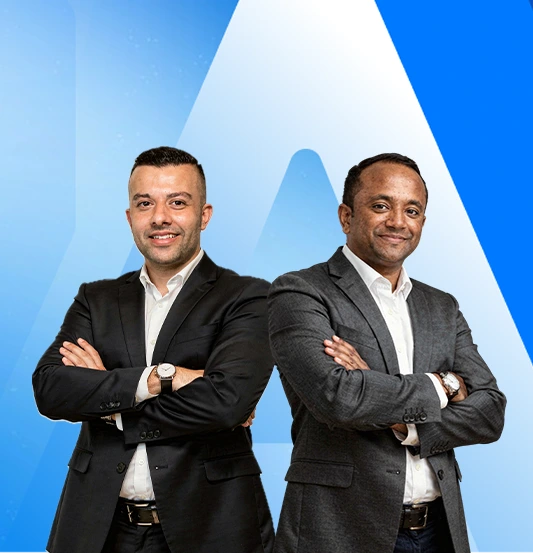
Work directly with Giovanni and Bibin to validate your technology
direction, align AI with business goals, and make confident
decisions that reduce risk and accelerate outcomes.
NewAgeSysIT offers social media app development across six service tracks. They are: custom social networks, short-video platforms, professional networking, dating and community apps, creator monetization, and social commerce. All of these cover iOS, Android, and the web, all from a shared backend.
These services build social platforms from the ground up. They are not social media management tools, analytics dashboards, or marketing automation platforms. Each service track is available independently. They are also available as part of a full social platform build.
All six tracks share a common backend infrastructure. Core components include Firebase, Redis, Pusher, Agora, Twilio, Stripe Connect, AWS, and PostgreSQL.
Track · 01
Flagship · Full-Stack
Most Popular
Custom Social Network and Community App Development
Full-stack custom social network development covers user profiles, social graph, activity feeds, post creation, and reactions. It also incorporates follow systems, group management, search, and direct messaging. A custom social network is built around the specific community behavior the founder aims to target. The feed algorithm, connection model (friend vs follow vs mutual), content types, and group structures are designed around that community.
Generic platforms impose their own model. User graph database design uses PostgreSQL or Neo4j. Redis handles feed caching and fan-out architecture. Content moderation pipelines and viral referral tracking are included by default.
Content-Sharing and Short-Video Platform Development
Short-video platform development covers video upload, transcoding, For You feed algorithms, creator profiles, likes, comments, and duets. It also covers trending hashtags, creator fund, and tipping monetization. MUX or AWS MediaConvert handles all video transcoding requirements. HLS adaptive streaming and AWS CloudFront CDN deliver content globally.
A recommendation engine trained on watch time and engagement signals powers the For You feed. ARKit video effects and swipe-up feed UX complete the mobile experience. This technology stack builds TikTok alternatives for niche audiences at production scale.
MUXHLSFor You feedARKit FX
Track · 03
Professional
Professional Networking App Development
Professional networking platform development encompasses structured profiles, endorsement systems, content feeds, job-posting workflows, and industry group management. Professional networks need a different trust model from consumer social apps. Profile verification, structured professional data, and privacy controls are first-class requirements.
Email domain verification, skills taxonomies, and company affiliation data are all mandatory. Building a LinkedIn alternative requires this layer of trust from day one. GDPR and CCPA compliance, Stripe premium tiers, and Elasticsearch-powered search are all accommodated.
Dating and Interest-Based Community App Development
Dating app development covers profile creation, photo management, swipe-based and ML matching, real-time chat, video calling, and premium subscription tiers. Dating apps carry unique safety and compliance requirements that no other social app category shares.
Age verification, AWS Rekognition photo moderation, and Checkr background check integration are required. A safety reporting workflow escalating to human review within 24 hours is also needed.
Preference-based and ML-powered matching use geo-discovery via PostGIS. It also covers real-time chat via Pusher. Agora handles video calling. Stripe Identity and StoreKit 2 manage subscriptions and billing.
RekognitionCheckrPostGISAgora video
Track · 05
Creator Monetization
Creator Monetization Platform Development
Creator monetization platform development covers subscription tiers, digital product sales, tipping, gifting, and paid live events. It also incorporates creator analytics and Stripe Connect payout management.
Stripe Connect handles creator onboarding, identity verification, payout scheduling, and 1099-K generation for thousands of creator accounts simultaneously. This is not a Stripe Checkout integration. It is a full marketplace payment architecture.
RevenueCat manages cross-platform subscriptions. Creator analytics cover MRR, churn rate, top content by revenue, and audience demographics.
Stripe ConnectRevenueCat1099-K
Track · 06
Social Commerce · Livestream
Social Commerce and Livestream Shopping App Development
Social
discovery
Product
catalog
Commerce
attribution
Social commerce platform development covers shoppable posts, livestream shopping with in-stream product tagging, creator affiliate tracking, and product recommendation feeds. Social commerce requires a unified data model connecting three systems simultaneously. The social graph determines which products appear in the feed.
The product catalog drives what can be tagged in content. The commerce layer processes the purchase and tracks creator attribution. No generic e-commerce or social platform natively handles all three. Agora livestream and real-time Stripe purchases complete the architecture.
Tired of renting your community on
someone else's platform?
Own your social graph, feed algorithm, and creator monetization with a custom
social media app engineered to scale, monetize, and convert on your terms.
Tired of renting your community on
someone else's platform?
Own your social graph, feed algorithm, and creator monetization with a custom
social media app engineered to scale, monetize, and convert on your terms.
Core Features of a
Production-Grade Social Media App
A production-grade social media app integrates a scalable feed architecture, real-time messaging, content moderation infrastructure, and creator monetization systems. It manages viral growth spikes without architectural regression. It meets App Store and Play Store UGC policies, CCPA, and GDPR from day one.
The four feature categories below determine a social app's ability to retain users and scale to millions of posts. They also define the app’s ability to safely moderate content and generate revenue from creators and users.
Feature Category 01
Social Graph, Feed Architecture, and Discovery Features
The user social graph supports follow, friend, mutual connection, and block relationships. PostgreSQL or Neo4j stores the graph. The graph model determines the feed, the discovery engine, and the notification routing.
Fan-out-on-write serves low follower counts. Fan-out-on-read assembles feeds for high follower accounts at read time. Redis cache delivers sub-100ms feed load times.
An ML model on AWS SageMaker scores posts by predicted engagement probability. It retrains daily on interaction history and content signals.
Hashtag indexing in Elasticsearch powers trending topics. Interest graph-based recommendations surface content outside the follow graph.
Full-text search covers users, posts, and groups via Elasticsearch. Real-time typeahead search results achieve sub-200ms response times.
Viral sharing generates deep links via Branch or Firebase Dynamic Links. Referral attribution tracking connects new user registrations to the share event that drove them.
Feature Category 02
Real-Time Messaging, Notifications, and Live Features
Direct messaging uses Pusher Channels or AWS WebSockets for real-time 1:1 and group chat. Delivery receipts and typing indicators are standard. End-to-end encryption is available via the Signal Protocol for privacy-sensitive platforms.
A scalable group chat supports thousands of concurrent members per channel. Pusher or Agora Chat enables high-concurrency group messaging. Message history pagination and media sharing are implemented in group channels.
Push notifications use Firebase Cloud Messaging for Android and APNs for iOS. Notification types cover new followers, new likes, comment replies, mentions, direct messages, and the creator's new posts. Notification frequency capping prevents push fatigue.
In-app notification center: persistent feed with read and unread state. Notifications are grouped by type. Users control notification preferences per category.
Agora powers group audio rooms (Clubhouse-style rooms) and live video streaming. Up to 10,000 audience members can join a single Agora channel concurrently. Real-time reactions and live emoji run during broadcasts.
Feature Category 03
Content Moderation, Safety, and Trust Features
Automated content moderation uses AWS Rekognition for NSFW detection in images and videos. Google Cloud Vision API serves as an alternative. The OpenAI Moderation API classifies the toxicity of text content at upload time. All three run before content reaches the feed.
Flagged content routes to a human moderation dashboard with a priority queue sorted by severity score. Moderation actions include approving, removing, warning, and suspending accounts. Average time-to-review is tracked as an operational KPI.
User reporting covers harassment, spam, misinformation, NSFW, and illegal content. Age verification enforces COPPA compliance. Phone verification via Twilio Verify and device fingerprinting prevent bot registration.
A quarterly moderation action summary is generated for platforms over a defined content volume threshold. This is required to comply with the EU Digital Services Act for platforms with EU users.
Feature Category 04
Creator Monetization, Subscriptions, and Commerce Features
Creator-defined subscription tiers offer monthly and annual plans with access to exclusive content. RevenueCat manages cross-platform subscriptions across iOS StoreKit 2, Google Play Billing, and Stripe web.
Real-time tipping and gifting work during live streams and on published content, with server-side coin balances tracking virtual gift purchases. Paywalled content uses Stripe one-time payments. Digital product delivery uses AWS S3 pre-signed URLs once payment is processed.
Creator analytics cover MRR, churn rate, top content by revenue, and audience demographics. Stripe Connect handles weekly creator payouts and 1099-K generation for creators exceeding IRS thresholds.
Affiliate and referral tracking generate creator referral links with UTM attribution. Commission tracking records earnings for each referred purchase. The Creator affiliate dashboard shows the referral count, conversion rate, and pending earnings.
Real Results
How We Helped Top US Brands in Build Winning Mobile Apps
Healthcare
60%
reduction in operational workload
HIPAA
ready secure architecture
35%
faster patient communication workflows
Real Estate
3x
faster property lead response time
45%
increase in qualified inquiries
30%
improvement in agent productivity
On-Demand Services
50%
faster service booking completion
2×
increase in customer retention
40%
reduction in scheduling delays
Automobile (AI Car Selling Platform)
70%
faster vehicle listing process
35%
higher buyer engagement
25%
improvement in conversion rates
Healthcare
60%
reduction in operational workload
HIPAA
ready secure architecture
35%
faster patient communication workflows
Real Estate
3×
faster property lead response time
45%
increase in qualified inquiries
30%
improvement in agent productivity
On-Demand Services
50%
faster service booking completion
2×
increase in customer retention
40%
reduction in scheduling delays
Automobile (AI Car Selling Platform)
70%
faster vehicle listing process
35%
higher buyer engagement
25%
improvement in conversion rates
AI & Personalization
AI and Personalization in
Social Media App Development
AI is the core competitive differentiator of every leading social platform. TikTok's recommendation engine, Instagram's Explore algorithm, and LinkedIn's People You May Know system are all ML-powered. A custom social app built without a personalization layer is structurally disadvantaged from day one. NewAgeSysIT builds AI for recommendation, moderation, and engagement into the platform architecture from scratch.
Five AI applications define a social platform's ability to retain users and drive organic growth.
AI Application 01
Personalized Feed Ranking
Personalized feed ranking is the first application. A collaborative filtering model scores and ranks content per user. It trains on likes, comments, shares, saves, and watches signals.
The model runs on AWS SageMaker and retrains daily on the previous 7 days of interaction data. Output is a ranked list of post IDs per user. These are cached in Redis with a 15-minute TTL.
AI Application 02
User-to-User Recommendation
User-to-user recommendation is the second application. A graph-based People You May Know algorithm uses Neo4j social graph traversal.
It combines second-degree connection scoring with mutual interest signals from content interaction history. Nightly recalculation runs for each user, and results cache in Redis.
AI Application 03
Automated Content Moderation
Automated content moderation is the third application. AWS Rekognition handles image NSFW detection. OpenAI Moderation API classifies text toxicity.
MUX scans video content. All three run asynchronously during upload. Content is held in the feed until the moderation score falls below the threshold.
AI Application 04
Viral Content Detection
Viral content detection is the fourth application. An anomaly detection model tracks engagement velocity per post.
Posts with an engagement rate 3x above the creator's historical average are flagged for trending promotion. This drives organic content amplification without manual editorial curation.
AI Application 05
Creator Churn Prediction
Creator churn prediction is the fifth application. An ML model scores each creator's 30-day churn probability. It uses posting frequency decay, subscriber trend, and revenue trajectory as input signals.
At-risk creators automatically receive a retention campaign via push notification and email through Braze. AI is a requirement for retention and growth infrastructure, not a premium add-on.
Integrations
Social App Integrations and
Third-Party Connectivity
Custom social apps integrate payment platforms, real-time communication infrastructure, content delivery networks, analytics tools, identity verification services, and moderation APIs. These integrations connect the social graph layer to the revenue, safety, and growth systems. These determine the platform's commercial viability and regulatory compliance.
Five integration categories determine a social platform's production readiness.
Integration · 01
Payments & Monetization
Payments and Monetization
Stripe manages direct subscription billing and one-time payments. Stripe Connect handles creator and seller payout management, identity verification, and 1099-K generation. RevenueCat bridges iOS StoreKit 2, Google Play Billing, and Stripe web for cross-platform subscription management. Apple Pay and Google Pay ensure frictionless checkout within the mobile app.
StripeStripe ConnectRevenueCatApple PayGoogle Pay
02
Integration · 02
Real-Time Communication
Pusher Channels handles WebSocket-based feed updates, typing indicators, and message delivery events. Agora powers group audio rooms, video live streaming, and in-app video calling.
Twilio handles SMS OTP verification at registration and phone-based account recovery. Firebase Cloud Messaging and APNs deliver push notifications to Android and iOS devices.
PusherAgoraTwilioFCM · APNs
03
Integration · 03
Content Delivery and Media
AWS S3 stores all user-generated content, including photos, videos, and audio files. AWS CloudFront CDN delivers media globally with sub-100ms latency at edge locations.
MUX handles video transcoding, adaptive bitrate streaming, and video analytics. Cloudinary serves as an alternative for image optimization and on-the-fly transformation.
AWS S3CloudFrontMUXCloudinary
04
Integration · 04
Analytics and Growth
Segment routes events as the customer data platform to Mixpanel, Amplitude, and Braze. Amplitude covers product analytics and funnel analysis. Braze powers lifecycle push notification and email campaigns.
Branch handles deep linking, deferred deep links, and referral attribution. Firebase Analytics tracks mobile events for iOS and Android.
SegmentMixpanelBrazeBranch
Integration · 05
Safety, Identity, Anti-bot
05
Safety and Identity
AWS Rekognition moderates image and video content. OpenAI Moderation API classifies text toxicity. Stripe Identity verifies the creator's photo ID. Checkr runs background checks on dating and marketplace platforms.
Twilio Verify confirms phone numbers at registration. Google reCAPTCHA Enterprise detects bots at registration and login.
RESTful and compliant by default. All integrations use RESTful APIs or webhooks and are built adhering to platform-specific security and compliance requirements.
Curious to Know How Much Your
Social Media App Development Costs?
From a community MVP to a full-scale creator platform with feed ranking, live video, and Stripe Connect payouts,
get an instant estimate of your social media app development cost before you commit a budget.
NewAgeSysIT builds social media apps on a real-time, horizontally scalable technology stack. Stack selection optimizes for feed performance at scale, WebSocket management, video pipeline reliability, and UGC moderation depth.
Layer
Technologies
Mobile (iOS)
Swift · SwiftUI · React Native · Flutter
Mobile (Android)
Kotlin · Jetpack Compose · React Native · Flutter
Web Frontend
React · Next.js · TypeScript · Tailwind CSS
Backend API
Node.js (NestJS) · Go (high-concurrency feeds) · Python (ML services)
Database (Primary)
PostgreSQL · PostGIS (location-based discovery)
Graph Database
Neo4j (social graph, People You May Know)
Cache
Redis (feed cache, session, real-time counts)
Search
Elasticsearch · Algolia (typeahead)
Real-Time
Pusher Channels · AWS API Gateway WebSockets · Socket.io
Social apps are deployed on AWS with auto-scaling for viral growth spikes. Redis Cluster and PostgreSQL read replicas handle feed generation for millions of daily-active users. Stack selection is guided by the platform type, expected DAU scale, real-time feature requirements, and video content volume.
Got Problems?
Let Us Help You With the Right Solution
Compliance & Safety
Social App Compliance, Safety, and
Privacy Requirements
Social media apps collect user-generated content, process payments, serve minors, or operate in the EU. These applications face a layered compliance environment. Requirements include CCPA, GDPR, COPPA, the EU Digital Services Act, PCI DSS, and App Store UGC policies. These are architectural requirements that cannot be added post-launch.
Five compliance components shape every social app architecture.
Compliance 01
COPPA for Platforms Accessible to Minors
The Children's Online Privacy Protection Act requires verifiable parental consent before collecting personal data from users under 13. Social apps targeting general audiences must implement an age gate.
Apps with users under 13 require restricted data collection and parental consent workflows. Apple and Google both enforce COPPA compliance in their App Store policies. Non-compliant apps are removed.
Compliance 02
EU Digital Services Act (DSA)
Platforms with more than 10 million EU monthly active users are classified as Very Large Online Platforms under the DSA. They face mandatory transparency reporting requirements for content moderation actions and explanations of algorithmic recommendations.
Independent audit obligations also apply. DSA compliance architecture must be designed from launch for any platform with plans to expand into the EU.
Compliance 03
CCPA and GDPR User Data Rights
Users have the right to access, correct, and delete their personal data. Social apps must implement full account deletion workflows.
These remove profile data, post history, messages, and behavioral signals from all storage layers. Deletion must propagate to backup systems within 30 days.
Compliance 04
App Store and Play Store UGC Policies
Apple and Google require apps that host user-generated content to implement content filtering, user reporting, and human moderation workflows.
Apps without a moderation infrastructure are removed from both stores. These requirements apply at launch, not as a post-approval retrofit.
Compliance 05
Payment and Creator Compliance
Stripe Connect requires KYC identity verification for all creator and seller accounts receiving payouts.
Creators who earn $5,000+ on the platform annually must have a 1099-K tax document generated by January 31. This is a legal requirement, not an optional feature.
All NewAgeSysIT social apps are reviewed before launch. The apps are reviewed against the requirements of the CCPA, COPPA, DSA, and the App Store UGC policy.
Development Process · 7 Stages
Our Social Media App Development Process:
From Architecture to Launch
NewAgeSysIT follows an Agile, scalability-first development process for social apps. Feed architecture and real-time infrastructure are designed and load-tested before user-facing feature development begins. Content moderation pipelines and App Store UGC compliance are validated before any user-generated content goes live.
01
DiscoveryStage 01
Social Product Discovery and Architecture Planning
The phase involves first defining the social interaction model: follow, friend, or mutual connection. It follows the selection of the feed algorithm type: chronological, ranked, or hybrid. Content types, monetization model, and content moderation policy are documented.
The user journey from registration to first content creation is mapped. Deliverables include a Social Product Requirements Document and a social graph data model. It also includes a decision on the feed architecture and a sprint roadmap in Jira.
02
ArchitectureStage 02
Social Graph, Feed Architecture, and Real-Time Infrastructure Design
The team designs the social graph schema in PostgreSQL or Neo4j. Feed architecture is planned, including fan-out strategy and Redis cache configuration.
Real-time WebSocket infrastructure for messaging and live features is designed and scoped. AWS EC2, RDS, ElastiCache, S3, and CloudFront are configured for the platform. Deliverable is a signed-off technical architecture document reviewed with the client.
03
DesignStage 03
UX Design for Social Interaction Patterns
All platform screens are designed in Figma. Priority screens include the feed, profile, content creation flow, messaging, and discovery. Social interaction patterns are designed to be platform-native.
Swipe gestures match iOS and Android conventions. Notification design covers the in-app notification center and push notification copy. The deliverable is a Figma design system, and interactive prototypes are reviewed with the founding team.
04
BuildStage 04
Core Social Feature Development
Sprints 1 through 4 deliver the core social graph, user profiles, activity feed, and post creation. They deliver reactions, follow systems, and push notifications. Real-time messaging is built in Sprint 3.
The feed algorithm ranking model trains on synthetic interaction data in Sprint 4. Each sprint delivers a testable increment via TestFlight and Firebase App Distribution for client review.
05
IntegrationStage 05
Monetization, Content Moderation, and Media Pipeline Integration
Stripe Connect is integrated for creator payouts. RevenueCat configurations ensure cross-platform subscriptions. AWS Rekognition and OpenAI Moderation API are activated for automated content moderation.
The human review dashboard is built and tested. MUX configuration facilitates video transcoding. Segment integration drives analytics event routing. Deliverables include monetization and moderation workflows validated in staging.
06
QAStage 06
Load Testing, Compliance Audit, and App Store Preparation
The feed is load-tested at 100,000 concurrent users. Redis cache hit rate is validated above 95 percent. PostgreSQL query latency is confirmed below 50ms.
A COPPA, CCPA, and UGC policy compliance audit is conducted. App Store and Play Store submissions are prepared with age ratings and privacy labels configured. All P1 defects are resolved before submission.
LaunchStage 07 · Final
Go-Live
App Store Launch and Growth Infrastructure Activation
App Store and Google Play submissions are managed through an approval process. The phased rollout is configured at 10%, 50%, and then 100% on Google Play.
Braze lifecycle campaigns are activated for new user onboarding sequences. Datadog dashboards monitor feed latency and WebSocket connections. Post-launch support covers feed performance, content moderation accuracy, and monetization iteration.
Why Choose NewAgeSysIT
Why Choose NewAgeSysIT for
Social Media App Development in the USA?
NewAgeSysIT builds social apps with production-grade feed architecture, real-time infrastructure, and content moderation pipelines. Social app development is not the same as generic mobile app development. The social graph, feed algorithm, WebSocket layer, and moderation system are specialized disciplines. Not all mobile agencies have depth in all four.
Five capabilities differentiate NewAgeSysIT from generic mobile development agencies.
01
Architecture
Feed Architecture Expertise
NewAgeSysIT has designed fan-out-on-write and fan-out-on-read feed systems, configured Redis cache layers, and integrated algorithmic ranking models. These are not features that can be bolted onto a generic CRUD app post-launch. Feed architecture decisions made in week one determine the platform's scalability ceiling.
Trust & Safety
Content Moderation Infrastructure
Automated moderation via AWS Rekognition and OpenAI Moderation API is delivered as a production-grade system. Human review queues and App Store UGC compliance are included by default. These are not afterthoughts triggered after the first content violation complaint reaches legal status.
02
03
Monetization
Creator Monetization Architecture
Stripe Connect handles creator payouts. RevenueCat manages cross-platform subscription. The system generates 1099-K documents for qualifying creators. These are purpose-built systems. Generic payment integrations do not handle thousands of independent creator accounts simultaneously. This infrastructure determines whether a creator platform can scale past its first 100 creators.
Real-Time
Real-Time and Live Feature Depth
Pusher, Agora, and WebSocket infrastructure are used for direct messaging, group audio rooms, and live video streaming. These are production-tested at concurrent user scale. Real-time features are load-tested before launch. Real-time bugs discovered in production destroy retention metrics.
04
05
Capstone Advantage
Full Client IP Ownership
Source code, database schemas, ML model weights, and all platform assets transfer to the client upon project completion. No ongoing platform licensing fee applies. The client owns what they pay to build.
Proof at Scale
5capabilities, validated in production
NewAgeSysIT has shipped social apps, achieving significant daily active user counts across the US market. Creator payout infrastructure has processed thousands of creator accounts at scale. Content moderation systems have managed millions of user-generated content items. These outcomes are available for discussion in a discovery call.
Engagement Models
Flexible Engagement Models for
Social Media App Development
NewAgeSysIT offers three engagement models for social media app development. These serve early-stage social app startups and growth-stage platforms scaling their team. They also serve product leaders who need an architecture strategy before committing a budget.
All three models include App Store submission management, content moderation compliance review, and full client IP ownership at project completion.
01 · Managed Project
End-to-End Social App Development
NewAgeSysIT provides a complete social app team covering Backend, iOS, Android, ML, DevOps, UI/UX, QA, and Moderation engineering roles.
The client owns the product roadmap. NewAgeSysIT owns the feed architecture, real-time infrastructure, moderation pipeline, and App Store compliance delivery.
This model suits social app startups and community founders without in-house engineering capacity. Deliverables include the social graph database, feed system, real-time messaging, moderation pipeline, and Stripe Connect integration. It also ensures a full IP transfer at project completion.
MOST POPULAR
02 · Staff Augmentation
Dedicated Social Platform Engineering Team
Clients integrate NewAgeSysIT engineers directly into their existing team and sprint workflow. NewAgeSysIT manages all employment overhead, including recruitment, HR, benefits, and payroll. Clients direct sprint priorities via Jira or Linear.
This model suits growth-stage social platforms that need specialist engineers. These include social graph engineers and feed algorithm ML engineers. It also includes video pipeline engineers for MUX, and real-time infrastructure engineers for Pusher and Agora.
US social platform engineers command annual compensation of $180,000 to $260,000. NewAgeSysIT eliminates the hiring timeline and employment overhead completely.
03 · Strategy Consulting
Social App Architecture and Growth Strategy Consulting
This model serves social product founders at the architecture decision stage. NewAgeSysIT provides a senior social platform architect. The architect defines social graph choice, feed architecture, recommendation model, moderation policy, monetization architecture, and viral growth mechanics.
The deliverables include a social platform architecture document, a feed architecture design, a moderation policy framework, and a cost-to-build estimate.
This model suits founders evaluating Circle versus custom build and CTOs designing feed systems. It also suits investors assessing a social platform's technical architecture before committing capital.
Pricing & Scope
Social Media App Development
Cost in the United States
The cost of social media app development depends on the graph's complexity and the type of feed algorithm. It also depends on the scope of real-time functionality, the video pipeline, and the depth of moderation. A community MVP starts at $60,000. A full-scale platform with video and creator payouts reaches $600,000 or more.
Social app costs are higher than standard mobile apps. The real-time infrastructure, feed architecture, and content moderation requirements drive additional costs beyond those of a generic mobile project. Buyers who plan for this from the start avoid costly architectural rewrites at scale.
Investment Range
$60kto$600k+
Community MVP → Full-scale social network
Senior Engineer Comp
$180-260k
US social platform engineer salary saved
MVP Timeline
10-16 wks
App Store-ready MVP
Cost Variables
Factors Affecting Social Media App Development Cost
8 key variables shape the estimate
Eight factors drive the cost of social media app development.
01
Social graph complexity
A simple follow graph in PostgreSQL costs less than a multi-dimensional Neo4j graph with second-degree connection scoring.
02
Feed algorithm type
A chronological feed is straightforward. A ranked feed with an ML model trained on engagement signals adds AWS SageMaker infrastructure and ongoing model maintenance costs.
03
Real-time features
Text messaging costs less than group audio rooms via Agora. Video live streaming with in-stream purchasing is the highest real-time cost point in any social application.
04
Video pipeline
Photo-only platforms cost significantly less than video platforms requiring MUX transcoding, adaptive bitrate streaming, and CDN delivery infrastructure.
05
Content moderation
Basic AWS Rekognition automation costs less than a full system with human review queues, priority scoring, and appeals management.
06
Creator monetization
Basic Stripe subscriptions cost less than a full Stripe Connect marketplace, which includes creator onboarding, identity verification, and 1099-K generation.
07
DAU scale targets
These determine Redis cluster sizing, PostgreSQL read replicas, and CDN configuration. Infrastructure built for 10,000 DAU differs significantly from infrastructure built for 10 million DAU.
08
Platform count
iOS and Android, plus web, is significantly more expensive than a mobile-only build. Cross-platform frameworks like React Native and Flutter reduce this gap but do not eliminate it.
Estimated Cost by Social App Type
Estimated Cost by Social App Type
Indicative for US engagements
Social App Type
Key Features
Estimated Cost Range
Community MVP (Text and Photo)
Social graph, feed, messaging, basic moderation, Stripe
$60,000 to $120,000
Creator Monetization Platform
Above plus Stripe Connect payouts, subscriptions, and creator analytics
$100,000 to $200,000
Short-Video Platform
Video upload, MUX transcoding, HLS streaming, For You feed
$150,000 to $300,000
Dating or Matching App
Matching algorithm, geo discovery, video calling, safety features
All features, ML feed ranking, live streaming, and moderation AI
$350,000 to $600,000+
All ranges are indicative of the US market development. Actual costs are confirmed after discovery and social architecture planning.
MVP Strategy
Social App MVP Strategy: Validate Before You Scale
A social app MVP includes the core social graph, a basic feed, and user profiles. It also encompasses post creation, reactions, and a single communication channel. The channel can be messaging or comments. This validates community fit before investing in ML feed-ranking, video, or creator-monetization infrastructure.
Timeline
An App Store- and Play Store-ready social app MVP will be delivered in 10 to 16 weeks. This depends on the content types and the scope of real-time features.
Cost
$60,000 to $120,000 for a community MVP with text and photo content. A short-video MVP adds $60,000 to $100,000 for the MUX video pipeline.
Investors from a16z, Sequoia Capital, and Benchmark evaluate DAU/MAU ratio, D7 and D30 retention, and content creation rate. These metrics need production-grade analytics integration from day one, not a spreadsheet. NewAgeSysIT delivers App Store-ready MVPs in 10 to 16 weeks. This is achieved by building a feed architecture to scale beyond the MVP stage.
Start Building
Start Building Your Social Media App
with NewAgeSysIT
Request a Free Social App Development Consultation with NewAgeSysIT
Social app founders who build on Circle, Mighty Networks, or Facebook Groups are renting their community. The platform owns the user data, the algorithm, and the relationship with the audience.
A custom social app gives the founder full ownership. Monetization rules are set by the founder, not the platform. No platform fee erodes creator earnings. No algorithm change eliminates years of audience development overnight.
The free 30-minute consultation with a senior social platform architect covers six areas. These are social graph design, feed algorithm strategy, content moderation architecture, creator monetization model, compliance requirements, and development cost estimate. Founders achieve a clear architecture direction and a cost-to-build range.
The social platforms that win are built on owned infrastructure, owned data, and owned monetization. Build yours.
Client Testimonials that Reflect Our
Expertise & Dedication
“From every single moment, from the beginning till the end,
they were there for me. They were very systematic and
methodical in every single step and …”
IMAN KHAWAJA
Owner - ISRA
65%
Increase in Monthly Bookings within 6 Months
42%
Reduction in Appointment No-Shows
“They delivered everything on time and it was of great
quality. They go above and beyond to meet yourrequirements
and deliver the product you are looking for….”
David Chabukashvili
Founder - L-Card App
120%
Increase in User Sign-Ups in First Quarter
55%
Boost in Networking Conversions
“They are very knowledgeable in the sense that they have
built so many of these types of applications that they..”
Larry Siebel
Founder -CAR-UP App
70%
Increase in Online Service Bookings
50%
Reduction in Service Scheduling Conflicts
“From every single moment, from the beginning till the end,
they were there for me. They were very systematic and
methodical in every single step and …”
Roger J Clappe
CEO – WhipFlip
3X
Faster Vehicle Listing to Offer Time
48%
Increase in Lead-to-Sale Conversion Rate
“The NewAgeSysIT team has been instrumental from day one.
They didn’t just build the app — they helped shape the
vision, solve critical challenges, and turn our idea into a
platform that’s already making a real impact.”
Lazaro Reyes
Founder — Town Connect Network
70%
Increase in Community Member Engagement
55%
Faster Feature Implementation Cycles
“They were flexible, responsive, and delivered everything on
time. The milestone process gave me complete confidence, and
getting approved on both app stores on the first submission
was incredible.”
Chris O’Rourke
Founder — Guaranty Tip Sheet
10K+
App Downloads Across iOS & Android
4.8★
Average User Rating on App Stores
“From every single moment, from the beginning till the end,
they were there for me. They were very systematic and
methodical in every single step and …”
IMAN KHAWAJA
Owner - ISRA
65%
Increase in Monthly Bookings within 6 Months
42%
Reduction in Appointment No-Shows
“They delivered everything on time and it was of great
quality. They go above and beyond to meet yourrequirements
and deliver the product you are looking for….”
David Chabukashvili
Founder - L-Card App
120%
Increase in User Sign-Ups in First Quarter
55%
Boost in Networking Conversions
“They are very knowledgeable in the sense that they have
built so many of these types of applications that they..”
Larry Siebel
Founder -CAR-UP App
70%
Increase in Online Service Bookings
50%
Reduction in Service Scheduling Conflicts
“From every single moment, from the beginning till the end,
they were there for me. They were very systematic and
methodical in every single step and …”
Roger J Clappe
CEO – WhipFlip
3X
Faster Vehicle Listing to Offer Time
48%
Increase in Lead-to-Sale Conversion Rate
“The NewAgeSysIT team has been instrumental from day one.
They didn’t just build the app — they helped shape the
vision, solve critical challenges, and turn our idea into a
platform that’s already making a real impact.”
Lazaro Reyes
Founder — Town Connect Network
70%
Increase in Community Member Engagement
55%
Faster Feature Implementation Cycles
“They were flexible, responsive, and delivered everything on
time. The milestone process gave me complete confidence, and
getting approved on both app stores on the first submission
was incredible.”
Chris O’Rourke
Founder — Guaranty Tip Sheet
10K+
App Downloads Across iOS & Android
4.8★
Average User Rating on App Stores
Frequently Asked Questions
Here are some questions you might have. If you have other questions, feel free to contact or have a consultation session
Social media app development services in the USA involve designing and building mobile and web applications that enable users to create profiles, share content, interact with communities, and communicate in real time, which helps businesses build engaging digital platforms.
Businesses in the United States invest in social media app development to build user communities, increase engagement, and create new revenue streams, which helps grow brand presence and digital reach.
Social media mobile and web app development services include features such as user profiles, content sharing, messaging, notifications, news feeds, media uploads, and analytics dashboards, which support interactive and scalable platforms.
Social media apps can be customized for startups and enterprises in the US by adapting features, workflows, and user experiences, which ensures the platform aligns with specific business goals and target audiences.
Social media apps improve user engagement by offering personalized feeds, real-time interactions, notifications, and content recommendations, which helps users stay active and connected on the platform.
Social media apps can include messaging and real-time communication features by enabling instant chat, group conversations, and live updates, which helps improve user interaction and community building.
Social media mobile and web applications are secure in the USA by implementing data encryption, secure authentication, and privacy controls, which helps protect user data and platform integrity.
Social media apps integrate with third-party platforms and APIs by connecting with payment systems, analytics tools, and external services, which enables extended functionality and better user experience.
Social media mobile and web application development timelines in the USA depend on features and complexity, which allows businesses to launch a minimum viable product quickly and scale through iterative development.
Social media app development costs in the United States vary based on features, integrations, and scalability requirements, which allows businesses to choose flexible solutions that align with their budget and growth plans.
Social media apps are scalable for growing platforms in the United States by using cloud-based infrastructure and modular architecture, which enables platforms to support increasing users, content, and interactions without performance issues.
Social media mobile and web app development uses modern technologies such as React Native, Flutter, cloud platforms, real-time databases, and scalable backend systems, which ensure performance, reliability, and seamless integration.
Social media apps support monetization features by enabling subscriptions, in-app purchases, ads, and premium features, which helps businesses generate revenue from their platforms.
Social media web applications improve operational efficiency by centralizing user data, automating moderation workflows, and providing analytics tools, which helps businesses manage platforms effectively.
Startups in the United States can build social media apps quickly by launching a minimum viable product with core features, which allows faster market entry and continuous improvement based on user feedback.
Social media mobile apps provide on-the-go access and engagement features, while web applications offer centralized management and broader accessibility, which together create a complete digital social platform.
Social media apps include content moderation and admin controls by enabling reporting tools, filters, and administrative dashboards, which helps maintain platform quality and user safety.
Social media apps include real-time notifications and updates by sending alerts for messages, likes, comments, and activity, which helps increase user engagement and retention.
Custom social media app development is better than ready-made solutions because it offers tailored features, better scalability, and seamless integrations, which helps businesses build platforms that match their exact vision and user needs.
U.S. businesses choose a social media app development company with a presence in New Jersey because it enables better collaboration, time zone alignment, and faster communication, which helps ensure smoother project execution and reliable ongoing support.