
Welcome to Blogs
Discover actionable insights, in-depth research, and expert perspectives, all in one place.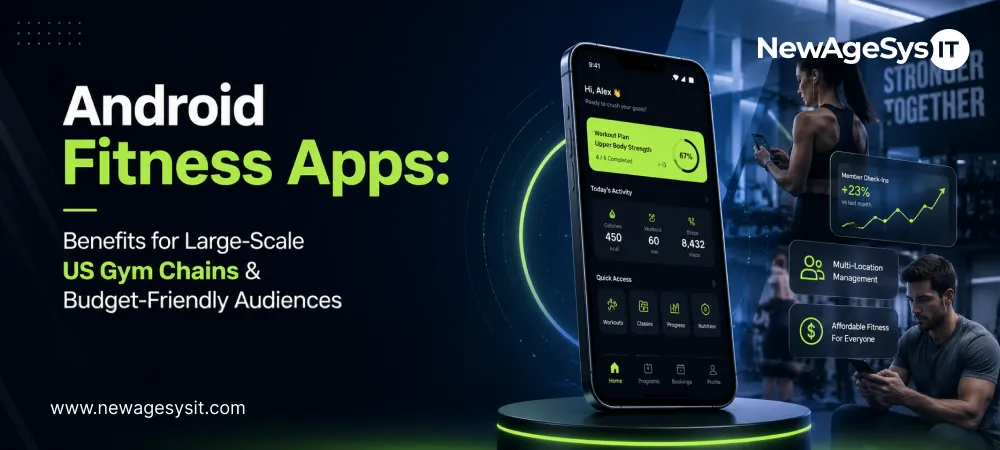
Application Development 6 min read
Android Fitness Apps: Benefits for Large-Scale US Gym Chains & Budget-Friendly Audiences

| This article is part of our series on Android vs iOS for Fitness Apps in the USA: Choosing the Right Platform For Startups and Enterprises |
Can your brand afford to ignore half its members? Launching iOS-only is a massive liability for US value-brands like Planet Fitness. Ignoring Android effectively locks out 45% of your members from your digital ecosystem.
High-volume gym chains need cross-platform experiences that maintain feature parity from day one. In corporate wellness programs, supporting both Android and iOS also helps maximize employee participation across varied workplace device ecosystems.
The technical stakes for an Android health app in the USA have shifted significantly. Legacy integrations with Google Fit are becoming increasingly unreliable. Migration to Google Health Connect is now essential for maintaining consistent health data syncing.
Android fitness ecosystems in the USA also involve complex MDM deployment across gym-floor tablets and kiosks. Keeping these touchpoints connected with broader fitness platforms and CRM systems helps create a more unified member experience.
What This Guide Covers
- Why Android remains important for large-scale US fitness businesses
- Android fitness app development USA strategies for broader market reach
- Technical advantages of Android for wearables, connected gym equipment, and fitness tracking
- Fitness use cases best suited for Android, including gym chains, workplace wellness apps, and connected fitness equipment
- Google Health Connect integration and Android fitness data management
- Security, compliance, and health-data protection for Android fitness apps
- When to choose Android-first, iOS-first, or simultaneous platform launches for US fitness products
Why Android Reaches the US Fitness Market iOS Misses
While premium boutique studios often prioritize Apple, the mass-market fitness audience tells a different story. Large chains like Planet Fitness serve millions of members who prioritize accessibility over ecosystem loyalty. For these brands, custom fitness app development helps reach users who rely heavily on Android devices. Ignoring this audience can directly affect long-term member retention.
This challenge becomes even more important for corporate wellness and community fitness programs, where broad participation is essential. Many outdoor fitness users also depend on Android-compatible wearables from brands like Garmin. These users need fitness mobile and web app development services that connect rugged tracking devices with mobile experiences across Android-compatible wearables and gym equipment. Connected gym equipment in hotels and shared fitness spaces also requires broader device compatibility.
Android fitness platforms perform better when member apps, connected hardware, and fitness software and CRM development services stay aligned across user touchpoints
Android’s Technical Advantages for Fitness Apps
Android gives fitness businesses more flexibility when building apps connected to wearables, gym equipment, and daily gym operations. Many US fitness companies invest in custom Android app development because Android supports broader hardware compatibility and fewer ecosystem restrictions than the closed Apple ecosystem
Google Health Connect for Fitness Data
Health Connect allows Android fitness apps to sync data from Fitbit, Garmin, Samsung Health, Polar, and other wearable platforms. Apps can access metrics such as heart rate, workouts, calories burned, sleep tracking, and nutrition activity within one connected system.
Android Bluetooth LE and ANT+ Fitness Device Access
Android devices provide wider access to Bluetooth LE integrations, helping apps connect with treadmills, rowing machines, smart bikes, and heart rate monitors. Many devices also support ANT+ sensors commonly used in cycling and commercial fitness equipment.
Android Enterprise for Gym Staff Deployment
Large gym chains often use Android tablets and kiosks for check-ins, scheduling, and facility management. Android Enterprise tools help businesses manage updates, security settings, and shared devices across multiple gym locations.
Fitness Use Cases Best Suited for Android
Android works well for fitness businesses that need broader device compatibility and flexible hardware integrations. Many companies investing in custom mobile app development choose Android fitness app development strategies to support larger and more diverse user bases
Large Gym Chain Member Apps
A large gym chain app Android setup usually focuses on class booking, workout tracking, membership access, and digital check-ins. Android also supports NFC and QR-based entry systems across different member devices and gym locations.
Workplace Wellness Apps
Corporate wellness platforms need strong device coverage to maintain participation across employee groups. Android apps are commonly used for fitness challenges, step tracking, and incentive programs. Many workplace health events also rely on Android tablets for biometric screenings and registration.
Fitness Equipment Manufacturer Apps
Connected fitness equipment apps benefit from Android support because many users rely on Android phones and tablets during workouts. Android also works well for outdoor fitness tracking, especially for hikers, cyclists, and trail runners using GPS and sensor-based activity tracking features.
Android Fitness App Security and Health Data Compliance
Maintaining member trust in the US fitness market requires strong security and responsible health-data management. Security plays a major role in Android fitness app development USA projects, especially when apps collect payment details, biometric records, or personal health information. Businesses investing in custom software development for fitness apps often prioritize secure data handling from the beginning Android Keystore, Health Connect governance, and root detection are architecture-stage decisions, not post-launch additions.
Android Keystore helps protect sensitive information within a hardware-backed security environment. This reduces the risk of unauthorized access to member credentials, payment details, and stored health records.
Apps using Google Health Connect must also follow strict data-governance policies. Health information cannot be used for advertising purposes, and users must remain in control of data-sharing permissions and access settings.
Many developers recommend Android 9 or higher to support modern security standards, Health Connect compatibility, and Bluetooth LE functionality. Fitness apps handling subscriptions or gym access should also include root detection to block sensitive actions on compromised devices.
When to Choose Android-First or Android-Simultaneous for US Fitness
Android-first development works best for large gym chains and workplace wellness platforms that need broad device coverage from launch. These businesses often serve users across mixed Android and iOS environments, making accessibility a priority from day one.
An Android-simultaneous launch is usually the better choice for consumer fitness apps targeting a wider US audience. Delaying Android support can immediately reduce potential user reach and app adoption.
Some fitness startups choose Android-first when budget limitations require phased platform development. This approach helps capture a larger mass-market audience before expanding to iOS later.
iOS-first development makes more sense for premium boutique fitness brands or apps heavily connected to Apple Watch features. These audiences are often concentrated within the Apple ecosystem and expect deeper iOS integrations.
Final Thoughts
Building a strong Android health app USA strategy is essential for fitness brands targeting mass-market users, workplace wellness programs, and large gym networks. An Android fitness platform with Google Health Connect integration, secure Android Keystore storage, and broad wearable compatibility can improve accessibility for diverse user groups. It also helps brands adapt to evolving health-data compliance standards.
This foundation helps an Android workout app or Android fitness tracker app deliver a more consistent experience across different devices and fitness ecosystems. Businesses planning long-term digital growth often invest in custom fitness app development solutions that prioritize scalability, security, and broader audience reach from the start.
To see how a US fitness app development company approaches Android fitness architecture, Google Health Connect integration, and Health data compliance for gym chains and workplace wellness programs, explore our work with fitness brands.
Core Development
Keep exploring the custom services.

AI Software Development
Custom AI Software Development
Build intelligent, production-ready software from machine-learning models to AI-driven automation designed around your business goals.
Learn more
Mobile App Development
Custom Mobile Application Development
Native and cross-platform mobile apps that are fast, secure, and built to scale across iOS and Android.
Learn more
Web App Development
Custom Web Application Development
Scalable, secure web applications, from customer portals to complex dashboards, tailored to how your business actually works.
Learn more



