









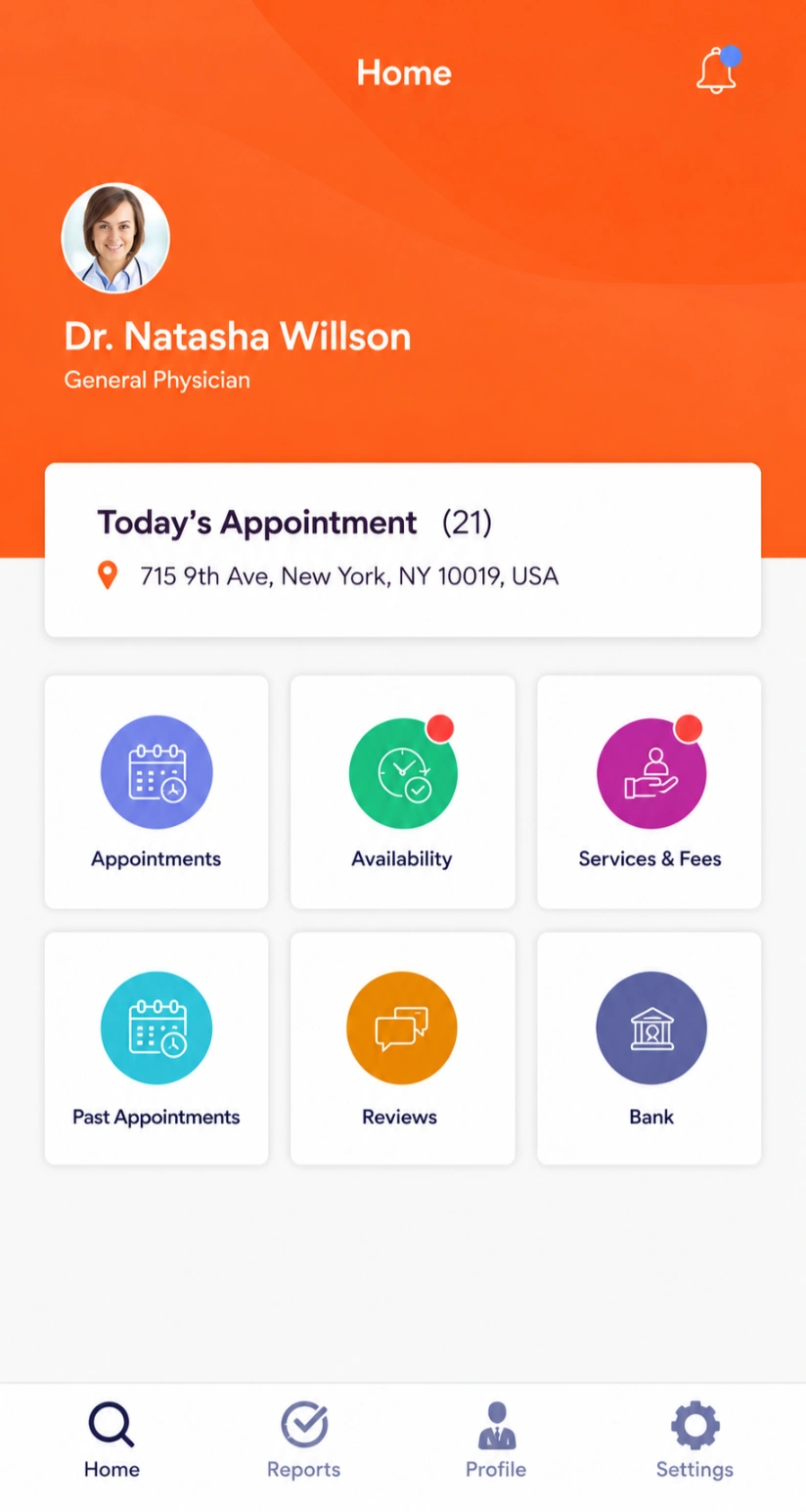
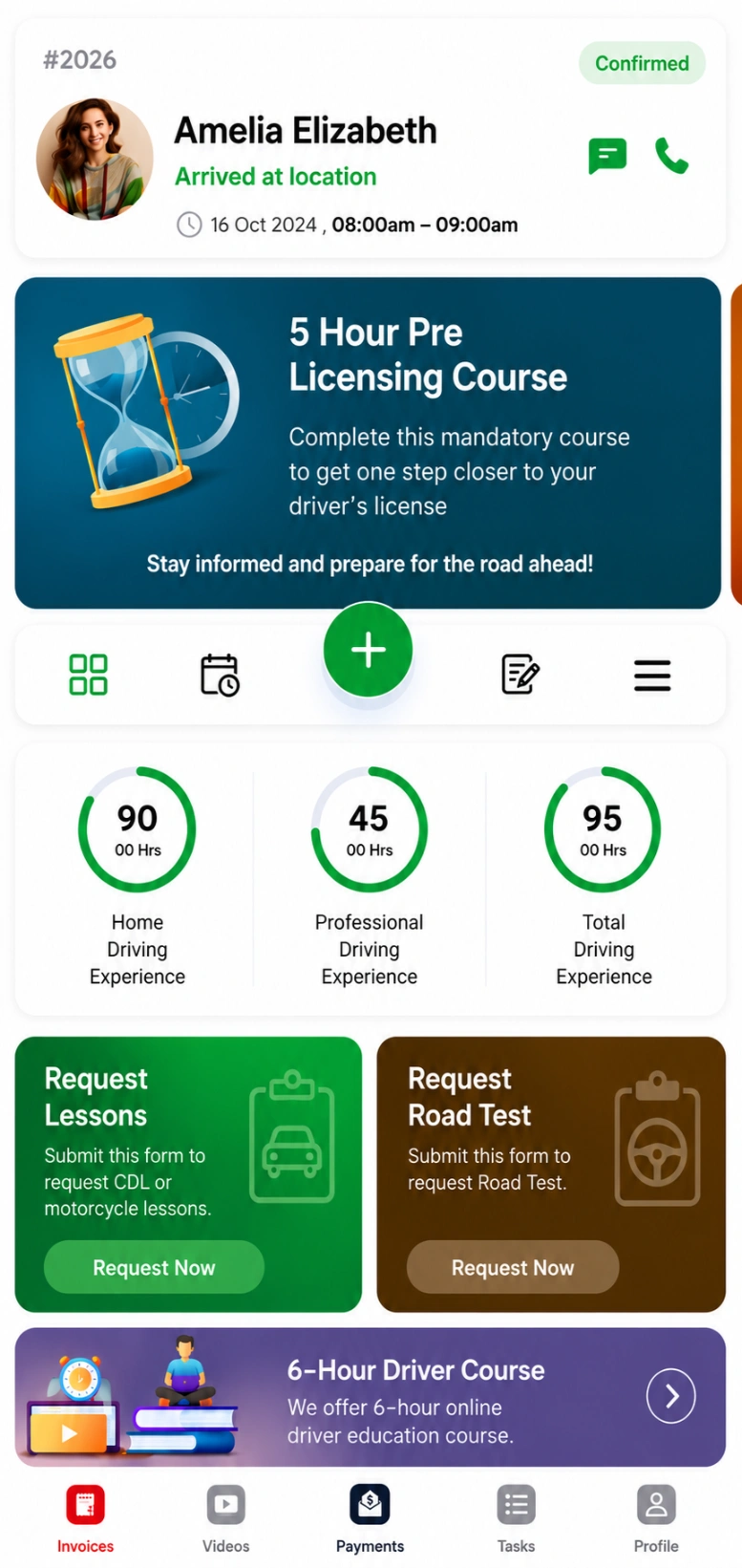






Remote Patient Monitoring (RPM) apps are those applications that allow healthcare providers to track patient health data outside traditional clinical settings. These mobile platforms connect patients with care teams by collecting biometric information from medical devices and transmitting it securely through cloud infrastructure. Beyond RPM, healthcare mobile apps are reshaping how patients access care and stay engaged between visits, driving meaningful progress in patient engagement and healthcare accessibility.
For hospitals and clinics exploring connected care solutions, starting with the right development foundation matters. Whether through healthcare software development services or healthcare mobile app development services, organizations managing chronic conditions or post-discharge monitoring can build RPM solutions that improve care continuity, reduce hospital readmissions, and lower operational costs.
Because RPM applications often handle sensitive medical information and device-generated data, they must comply with regulatory frameworks such as HIPAA. Device-connected monitoring may also involve FDA-regulated medical hardware depending on the use case.
Understanding these remote patient monitoring app features helps healthcare decision-makers plan scalable and compliant digital health ecosystems. The sections below outline the key features healthcare providers should evaluate when designing or implementing remote monitoring platforms.
What Is a Remote Patient Monitoring App and How Does It Work?
Remote Patient Monitoring apps are HIPAA-compliant mobile platforms that collect real-time patient health data from connected medical devices and transmit it securely to providers via cloud infrastructure such as AWS or Microsoft Azure. Clinicians can review patient data through dashboards, allowing them to identify health changes and intervene before complications escalate.
Most RPM platforms integrate with wearable technology and Bluetooth-enabled medical devices. Examples include Apple Watch fitness trackers, Fitbit devices, glucometers, blood pressure monitors, and pulse oximeters. These devices capture biometric readings and sync data through mobile applications.
Integration standards such as HL7 and FHIR enable data exchange with electronic health record (EHR) systems. RPM applications often include configurable alert thresholds that notify care teams when patient metrics fall outside predefined ranges. Escalation protocols may trigger nurse outreach, telehealth consultations, or emergency care coordination, depending on severity.
What Core Data Tracking Features Must an RPM App Include?
Core RPM functionality is built around continuous biometric tracking and secure data visualization. Without reliable data capture and clinical visibility, remote monitoring platforms cannot support meaningful care interventions.
Key data tracking features typically include:
- Vital sign monitoring, including blood pressure, blood glucose, oxygen saturation (SpO2), and heart rate
- Symptom reporting modules that allow patients to log subjective health updates or discomfort levels
- Medication adherence tracking through reminders and confirmation prompts
- Real-time clinician dashboards displaying individual patient data and population-level insights
- Trend analysis with predictive alerts to identify deteriorating conditions before critical events occur
These capabilities support proactive care management for chronic diseases such as hypertension, diabetes, and heart failure. For healthcare systems operating under value-based care models, these insights contribute to reduced hospital admissions and improved patient outcomes.
How Should RPM Apps Integrate with EHR and Clinical Systems?
Among the most critical remote patient monitoring app features is EHR integration, because patient data must sync seamlessly with platforms like Epic, Cerner, and Allscripts using HL7 and FHIR standards. Without proper integration, remote monitoring data remains isolated and difficult for clinicians to incorporate into care decisions.
Modern patient monitoring software typically relies on API-based integration frameworks.
These integrations enable secure data exchange between RPM applications and hospital information systems. Bidirectional communication allows patient readings to automatically populate electronic medical records while enabling clinicians to update treatment plans that reflect within the monitoring app.
Effective integration supports several operational benefits:
- Automated documentation of patient readings within clinical records
- Real-time data availability during physician consultations
- Reduced administrative workload for clinical staff
- Improved care coordination across multidisciplinary teams
Interoperability also ensures that monitoring insights contribute to broader patient health profiles. Healthcare organizations implementing connected health platforms should evaluate integration complexity early in the planning phase to avoid costly system silos.
What Security and Compliance Features Are Non-Negotiable?
RPM apps must comply with HIPAA regulations and implement AES-256 encryption, role-based access control, and secure cloud hosting to protect Protected Health Information (PHI). Security architecture must address both data transmission and long-term storage to maintain patient confidentiality.
Several technical safeguards are essential in HIPAA-compliant healthcare apps:
- Data encryption in transit and at rest using AES-256 encryption protocols
- Secure authentication mechanisms supported by OAuth 2.0 frameworks
- Multi-factor authentication to prevent unauthorized account access
- Access logging and monitoring that track system activity and potential security incidents
- Comprehensive audit trails that record changes to patient data and system configurations
- Device-level security controls for smartphones and connected monitoring hardware
Cloud infrastructure providers such as AWS and Microsoft Azure typically offer compliance-ready environments designed for healthcare workloads. Even so, healthcare organizations remain responsible for configuring these platforms according to HIPAA requirements.
How Do RPM Apps Use AI and Predictive Analytics?
AI-driven RPM systems use machine learning algorithms hosted on platforms such as Microsoft Azure AI or AWS SageMaker to detect health deterioration patterns before critical events occur. These technologies analyze patient data streams to identify anomalies and trends that might not be immediately visible to clinicians.
Predictive analytics capabilities within remote patient monitoring apps often include:
- Predictive risk scoring that estimates the likelihood of patient complications
- Anomaly detection algorithms that flag abnormal biometric readings
- Automated care alerts prompting clinicians to review high-risk cases
- Personalized care pathways based on patient history and behavior patterns
- Population health insights supporting large-scale chronic disease management
Healthcare systems using AI-enabled monitoring can prioritize interventions for patients with the highest risk levels. These insights support preventive care strategies aligned with value-based healthcare models.
What User Experience Features Improve Patient Adoption?
Patient adoption depends on intuitive UX design built with frameworks such as React Native or Flutter and optimized for both iOS and Android devices. If remote monitoring applications are difficult to use, patient participation drops quickly, limiting the value of the program.
Several user experience features help improve engagement and adherence:
- Simple onboarding workflows that guide patients through device setup and account registration
- Automated device pairing to reduce technical complexity when connecting monitoring hardware
- Push notifications reminding patients to submit readings or take medication
- Multilingual support for diverse patient populations
- Accessibility compliance aligned with WCAG standards to support users with disabilities
Mobile responsiveness is equally important. Many healthcare organizations deploy monitoring apps on both iOS and Android devices. Development teams, therefore, evaluate Android and iOS development capabilities when planning cross-platform solutions. When usability improves, patients are more likely to remain engaged in long-term monitoring programs.
What Scalability and Infrastructure Features Should Be Planned Early?
Scalable infrastructure is one of the most important remote patient monitoring app features, enabling platforms to support growing patient populations without performance issues. Healthcare systems must anticipate growth early. Remote monitoring programs often expand quickly across large patient populations.
Early infrastructure planning should focus on several architectural components:
- Microservices architecture that separates platform functions into modular services
- API-first design enabling integration with clinical systems and third-party devices
- Load balancing mechanisms to distribute system traffic during peak usage
- Secure cloud storage solutions for large volumes of biometric data
- Expansion planning to support additional monitoring devices or analytics tools
Healthcare organizations building connected health platforms often turn to custom software development services to design scalable architectures tailored to their operational needs; an investment that reduces long-term redevelopment costs as monitoring programs expand.
What Operational Features Support Care Teams and Administrators?
Operational dashboards allow healthcare administrators to monitor patient populations, clinician workload, and intervention outcomes in real time. These management tools are essential for scaling remote monitoring programs across hospital networks.
Important operational features typically include:
- Role-based dashboards tailored for clinicians, nurses, and administrators
- Escalation workflows that route alerts to the appropriate care team members

- Reporting and analytics tools that measure patient outcomes and program performance
- Billing integration supporting RPM CPT codes and reimbursement workflows

- Provider notification systems delivering alerts through mobile or desktop platforms

Administrative visibility helps healthcare organizations evaluate the effectiveness of their monitoring programs. Analytics dashboards can track patient adherence, intervention rates, and reimbursement performance. When aligned with operational workflows, RPM platforms become valuable tools for both clinical care and healthcare administration. Healthcare organizations looking to design and build robust RPM solutions can partner with NewAgeSysIT, a healthcare-focused custom software development company, to turn these features into secure, scalable digital products.