





















Healthcare organizations are being pushed into digital transformation by compounding pressures. Aging patient populations, accelerating staff shortages, rising operational costs, and regulatory mandates now require digital capabilities rather than merely permit them. Hospitals, clinics, and health technology companies must adapt to these urgent demands alongside the growing need for interoperability. Furthermore, expectations following the pandemic have only accelerated this shift, as both patients and regulators demand seamless digital experiences. Healthcare organizations now face critical decisions: whether to buy or build software, how to implement AI responsibly, how to achieve interoperability, how to budget digital products, and how to plan technology roadmaps. This article explores the full landscape of digital transformation in healthcare, covering AI, automation, blockchain interoperability, and strategic product development.
Healthcare organizations that delay transformation face compounding disadvantages because rising operational costs, staff inefficiency, and patient experience gaps widen with each year of deferred investment. Digital transformation is not a one-time project. Instead, it is a continuous strategic capability that integrates clinical, operational, and administrative systems to ensure long-term institutional resilience.
Developing a comprehensive Healthcare digital transformation strategy is essential for navigating these complexities and ensuring that technology investments align with long-term clinical and operational goals.
Explore Healthcare software development services and Healthcare mobile app development to understand how organizations can accelerate this journey.
What is Digital Transformation in US Healthcare?
Digital transformation in healthcare refers to the strategic adoption of advanced technologies such as artificial intelligence, automation, cloud computing, interoperability standards, and data analytics (to improve patient outcomes), enhance clinical efficiency, and enable operational scalability.
It is important to distinguish this from simple IT updates. Replacing outdated software with newer systems is merely the beginning; true healthcare technology modernization requires rethinking clinical workflows, redesigning care delivery models, and embedding intelligence into every layer of operations.
Five core pillars define healthcare digital transformation:
- Clinical Digitization: Moving from paper-based or fragmented systems to unified digital clinical environments
- Operational Automation: Reducing manual administrative tasks through automation and intelligent workflows

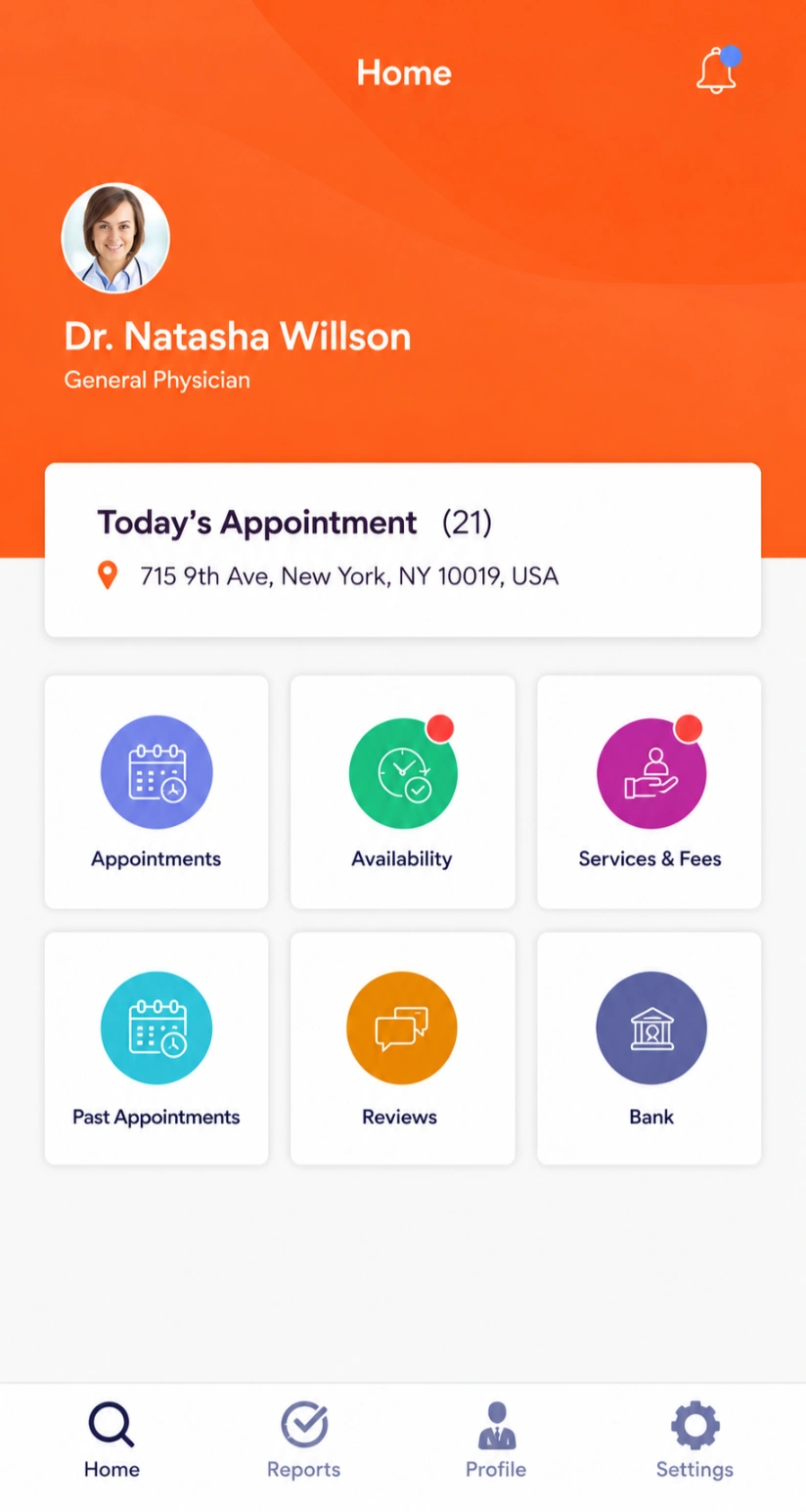
- Patient Engagement: Enabling digital interaction through portals, mobile apps, and remote care tools
- Data Interoperability: Ensuring seamless data exchange across systems and stakeholders
- Platform Scalability: Building infrastructure that supports growth, innovation, and integration
Historically, healthcare has lagged behind industries like finance and retail in digital adoption. This delay has largely been due to regulatory complexity, data sensitivity, and the critical nature of clinical workflows. However, the landscape is changing rapidly.
Regulations such as HIPAA, FDA guidelines, and CMS mandates were once considered barriers but are now driving digital adoption. Additionally, the shift from fee for service models to value based care is creating financial incentives for healthcare organizations to invest in data driven and outcome focused systems.
Healthcare technology modernization is no longer optional: it is foundational to delivering efficient, high-quality care in a connected world. At the same time, health tech innovation is accelerating the pace of change, introducing new models of care delivery, predictive analytics, and patient-centric solutions that redefine how providers, payers, and patients interact in the digital era.
Buy vs Build: The Software Decision Every US Healthcare Organization Faces
One of the most consequential decisions in any healthcare digital transformation is whether to purchase off-the-shelf software or invest in a custom-built solution. In an industry defined by razor-thin margins and high-stakes outcomes, the cost of an incorrect choice is significant: you risk either over-customizing a rigid commodity tool or under-investing in a capability that should have been a proprietary differentiator.
The Trade-offs: Speed vs. Specificity
Off-the-shelf software, such as established EHRs or revenue cycle tools offers a “fast-track” to deployment with lower initial investment. Vendors have already absorbed the heavy lifting of regulatory compliance and standard clinical workflows. However, these systems are built for the average organization. If your care model or patient population deviates from that norm, the “lower cost” often vanishes into expensive, clunky workarounds.
Custom development, conversely, requires higher upfront capital and longer timelines. The payoff is a platform designed around your exact clinical workflows and data needs. For organizations with unique care delivery models, custom software provides competitive differentiation and seamless HL7 FHIR integration that pre-packaged vendors simply cannot replicate.

A Fluid Decision Path
Critically, this isn’t a permanent choice. Many organizations use a “Buy-then-Build” strategy: starting with purchased software to establish foundational capabilities, then migrating to custom platforms as scale and clinical complexity demand. Success requires weighing long-term scalability and HIPAA compliance burdens against immediate operational needs.
Decision Matrix: Healthcare Buy vs. Build
| Factor | Buy (Off-the-Shelf) | Build (Custom) |
|---|---|---|
| Time to Deploy | Faster: Weeks to months | Longer: Months to years |
| Upfront Cost | Lower initial investment | Higher development investment |
| Clinical Fit | Generalized for average workflows | Designed for specific workflows |
| Scalability | Limited by vendor roadmap | Scales on your own terms |
| Compliance | Vendor-managed (HIPAA/FHIR) | Architected from the ground up |
| Differentiation | Same tools as competitors | Proprietary clinical capabilities |
AI and Automation: The Clinical and Operational Intelligence Layer
Artificial intelligence and automation are at the heart of modern healthcare transformation. Together, they form the intelligence layer that enhances decision-making, improves efficiency, and unlocks new capabilities across clinical and operational domains.
AI in healthcare operates across three primary layers:
Clinical Decision Support
AI-powered systems assist clinicians at the point of care by analyzing patient data, identifying patterns, and recommending evidence-based interventions. These tools can highlight potential diagnoses, flag drug interactions, and suggest treatment pathways in real time.
Diagnostic Assistance
AI is increasingly used in radiology, pathology, and cardiology to analyze medical images and detect anomalies. These systems can improve diagnostic accuracy, reduce human error, and accelerate time to diagnosis.
Predictive Analytics
By analyzing historical and real-time data, AI can predict patient risks, identify high-risk populations, and enable proactive interventions. This is particularly valuable in population health management and chronic disease care.
On the operational side, automation plays a transformative role:
- Revenue Cycle Management: Automating billing, claims processing, and payment reconciliation
- Prior Authorization: Reducing delays and administrative burden
- Scheduling and Resource Allocation: Optimizing staff and facility usage
- Clinical Documentation: Using natural language processing to streamline record-keeping
In many healthcare systems, administrative tasks consume up to 30–40% of staff time. Automation significantly reduces this burden, allowing clinicians to focus more on patient care.
However, AI adoption in healthcare is not without challenges. It requires rigorous governance, including:
- Clinical validation to ensure accuracy and safety: CTOs must account for the fact that AI diagnostic tools can produce false positives with direct patient safety implications, requiring fail-safe protocols.
- Explainability to build trust among clinicians: Beyond transparency, systems trained on historical clinical data may embed demographic biases, necessitating active bias testing and mitigation strategies before any live deployment.
- Continuous monitoring to maintain performance over time: Governance must also integrate clinical validation timelines for FDA-cleared AI tools, which typically add 12–24 months to deployment plans—a constraint often underestimated by healthtech founders.
Interoperability: Why US Healthcare Data Must Flow Freely
Interoperability is the ability of healthcare systems to exchange and meaningfully use clinical data across organizational boundaries. Despite its importance, it remains one of the most technically challenging and strategically significant hurdles in healthcare digital transformation. Data fragmentation across disconnected systems is estimated to cost the US healthcare industry billions annually in duplicated diagnostic tests and preventable medication errors that occur simply because the right information was not available at the point of care.
The standards landscape has matured significantly, with HL7 FHIR (Fast Healthcare Interoperability Resources) emerging as the federal standard for data exchange. Mandated by the 21st Century Cures Act, FHIR APIs technically create a standardized data layer intended to move records securely between providers, payers, and applications.
However, for the healthcare CTO, the gap between compliance on paper and meaningful clinical exchange remains a significant hurdle. Historically, major EHR vendors like Epic and Cerner have restricted third-party API access to protect proprietary data networks. While federal mandates have forced a shift toward openness, these “walled gardens” persist as a practical constraint. True interoperability is often stifled by vendor-controlled data silos, where high integration costs and restricted data sets create friction that prevents the foundation of a truly connected care ecosystem from being fully realized in production.
Beyond these standards, blockchain is emerging as a complementary layer for healthcare data provenance, consent management, and audit trail integrity. While FHIR facilitates the movement of data, blockchain provides a tamper-proof ledger, which is increasingly relevant for clinical trial data and pharmaceutical supply chain verification. Understanding how HL7, FHIR APIs, and blockchain architectures work together in healthcare platforms is essential for building robust, patient-centric digital experiences. Ultimately, interoperability requires more than technical standards; it demands organizational alignment, rigorous data governance, and sustained cooperation across the entire healthcare network.
Mobile applications facing the patient that connect to this interoperability layer represent the consumer touchpoint where FHIR data exchange capabilities become visible. By enabling appointment booking, health record access, and remote care, these tools turn data into a tangible patient experience.
US Healthcare Product Development: From MVP to Full-Scale Platform
For healthtech companies and healthcare organizations building digital products, the development journey from concept to clinical platform involves decisions and cost structures that differ fundamentally from consumer or enterprise software development. Understanding these distinctions is essential for accurate planning, realistic timelines, and sustainable investment.
The most important distinction for healthcare MVPs is that compliance is not iterative — it is foundational. Consumer app development often follows a rapid build-measure-learn cycle where compliance and security are addressed after product-market fit is established. Healthcare product development cannot follow this model. HIPAA compliance, data encryption, audit logging, role-based access control, and consent management must be architected into the product from day one. Attempting to retrofit compliance onto a non-compliant MVP creates expensive rebuilds and regulatory exposure that can threaten the entire product investment.
The cost gap between a healthcare MVP and a full-scale clinical platform is significant and driven by several factors beyond pure feature development: the depth of EHR integration required, the scope of clinical data standards compliance, the security infrastructure needed for PHI handling, and the clinical validation processes required before deployment in regulated care settings. Healthcare product teams that understand and plan for these cost drivers from the outset consistently outperform those that discover them mid-development.
The phased development approach (MVP to clinical pilot to scale) remains the most risk managed path for healthcare technology. An MVP built on a compliance-ready architecture, validated with a focused clinical user group, and iterated based on real workflow feedback creates the foundation for scaling with confidence. Full-scale healthcare platforms require multi-tenant architecture, configurable clinical workflow modules, comprehensive audit infrastructure, and EHR integration capabilities that are best reached incrementally rather than attempted in a single development cycle.
Technology Roadmap Planning: The Strategic Foundation for US Healthcare IT Setup
Without a structured technology roadmap, digital transformation efforts produce fragmented systems, redundant investments, and vendor lock-in that constrain future architecture decisions.
A healthcare technology roadmap provides a clear, multi-year plan that aligns clinical priorities, IT capabilities, compliance requirements, and financial constraints.
Key components of a robust roadmap include:
- Current State Assessment: Evaluating existing systems, integrations, and capabilities
- Priority Use Cases: Identifying high-impact areas for transformation
- Build vs Buy Decisions: Determining the best approach for each solution
- Integration Architecture: Planning how systems will connect and communicate
- Compliance Milestones: Ensuring regulatory requirements are met
- Budget Phasing: Allocating resources over time
Organizations without internal strategy expertise often benefit from consultant-led roadmap development. External experts bring industry knowledge, technical expertise, and a vendor-neutral perspective.
A well-defined roadmap prevents reactive decision-making and ensures that investments contribute to a cohesive, scalable architecture.
Key Technologies Driving US Healthcare Digital Transformation
Modernizing the continuum of care requires a strategic convergence of specialized technologies. The following five technologies are driving healthcare digital transformation: each enables distinct clinical and operational capabilities that together form the foundation of a modern health system’s architecture.
AI & Machine Learning
AI powers critical clinical decision support at the point of care, diagnostic imaging analysis, and predictive risk scoring. Beyond clinical insights, natural language processing (NLP) is revolutionizing automated clinical documentation, allowing providers to focus on patients rather than paperwork. AI adoption is rapidly accelerating from research environments to FDA-cleared deployments across radiology, pathology, and cardiology.
Cloud Infrastructure
Scalable, HIPAA-compliant cloud platforms enable healthcare organizations to modernize without capital-intensive on-premise infrastructure investments. Multi-cloud and hybrid architectures offer the necessary resilience and data sovereignty required to meet complex global regulatory standards. This flexibility allows systems to scale resources dynamically based on patient volume and data processing demands.
Interoperability Standards (HL7 / FHIR)
FHIR APIs serve as the mandated standard for EHR data exchange, creating a seamless connection between providers, payers, and patient platforms. These HL7 integration layers act as a vital bridge, connecting siloed legacy clinical systems with modern digital health applications. This ensures that comprehensive patient data is accessible whenever and wherever it is needed.
Automation and RPA
Robotic Process Automation (RPA) eliminates burdensome manual data entry, billing reconciliation, and prior authorization workflows. Modern AI-augmented automation goes beyond simple scripts by handling exceptions and learning from manual corrections to improve accuracy over time. This shift significantly reduces administrative burnout and operational overhead for hospital teams.
Mobile Health Platforms
Mobile apps extend clinical workflows and remote monitoring capabilities to smartphones, tablets, and wearable devices. Leveraging professional custom mobile app development services ensures that these platforms, whether iOS, Android, or cross-platform, maintain rigorous security and seamless device integration. Strategic platform choice is essential for maximizing patient engagement and ensuring consistent provider access in mobile-first environments.

Challenges US Healthcare Organizations Face in Digital Transformation
Approaching digital transformation with an honest assessment of its challenges is not pessimism; it is a strategic prerequisite for mitigating the failures that frequently derail healthcare IT initiatives. Each of the following challenges is real, each is solvable, and each requires deliberate planning rather than optimistic assumptions.
Legacy System Integration
Most hospital networks run clinical systems purchased and implemented over decades, with incompatible data architectures, proprietary APIs, and vendor contracts that complicate migration. Integration is almost always the most underestimated technical challenge in healthcare transformation programs.
Regulatory Complexity
HIPAA, FDA digital health guidance, CMS regulations, and state-level licensing requirements create compliance overhead that requires specialist expertise throughout the development and deployment lifecycle instead of just at the point of audit.
Budget Constraints and Prioritization
Healthcare organizations cannot transform all clinical and operational systems simultaneously. Effective transformation requires strategic sequencing of investments. This is a discipline that depends entirely on having a clear technology roadmap against which to prioritize.
Change Management and Clinician Adoption
Consistently underestimated in technology project planning, clinician adoption of new digital tools is not automatic. Effective change management involving structured training, workflow integration, and clinical champion programs is as important as the technology itself.
Data Quality in Legacy Systems
AI, analytics, and interoperability initiatives all depend on clean, structured clinical data. This foundational requirement is frequently discovered to be unmet only after significant investment has been made in intelligence layer technologies.
Best Practices for US Healthcare Digital Transformation Success
Healthcare organizations that achieve sustained transformation outcomes share a consistent set of strategic practices. These are not theoretical frameworks; they are the operational disciplines that distinguish programs producing measurable clinical and financial impact from those that produce technology deployments without organizational change.
1. Start with a Current State Assessment
Rigorous documentation of existing systems, integrations, data flows, and operational pain points prevents investment in the wrong layer. You must understand what you have before deciding what to build or buy.
2. Align IT Investment with Clinical Priorities
Technology investment must deliver measurable patient and operational outcomes instead of just IT modernization for its own sake. Clinical priority alignment keeps transformation programs anchored to the outcomes that justify the investment.
3. Build a Multi-Year Technology Roadmap
A structured roadmap prevents reactive purchasing, creates architectural coherence, and ensures budget phasing that keeps transformation programs sustainable across multi-year investment horizons.
4. Invest in Data Governance
Master data management, data quality frameworks, and HIPAA-compliant data pipelines are the foundation on which all other transformation capabilities depend. Intelligence layers built on poor data foundations consistently fail to deliver expected outcomes.
5. Partner with Specialized Healthcare Technology Experts
Specialized healthcare technology partners bring compliance expertise, clinical workflow knowledge, and integration experience that general software development agencies cannot replicate. The cost of engaging specialists is consistently justified by the cost of the mistakes their expertise prevents. These errors range from compliance architecture failures to EHR integration missteps that require expensive rebuilds.
Conclusion
Digital transformation in healthcare is a multi-year strategic journey. It is not a single initiative with a defined end state. Organizations must invest in a clear roadmap and build compliance-first architecture. By aligning technology investment with clinical priorities, they can develop scalable healthcare platforms. These entities consistently achieve better patient outcomes and stronger operational efficiency. This approach also ensures more sustainable competitive positioning.
The decisions covered in this article are deeply interconnected. This includes AI adoption, software strategy, and interoperability architecture. It also covers product development methodology and technology roadmap planning. These elements are vital for a successful digital health transformation in 2026. Progress in each area creates compounding value within a coherent strategic framework. Piecemeal execution produces integration debt and point-solution complexity. Without a unified strategy, transformation programs will likely stall.
If your organization is exploring healthcare digital transformation initiatives, aligning clinical priorities, compliance requirements, and technology architecture from the start significantly improves long-term outcomes and ROI. The right strategic foundation, built with partners who combine compliance expertise, clinical workflow knowledge, and integration experience, makes the difference between transformation programs that deliver lasting clinical value and those that exhaust resources without achieving it.